Intralipids for IVF and Fertility Treatment
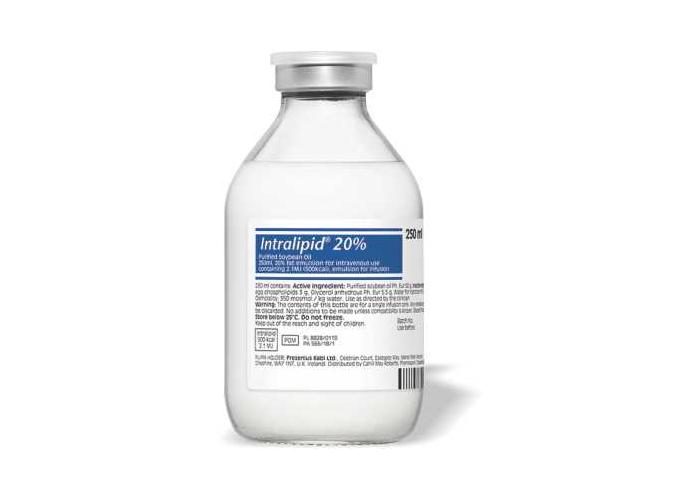
Intralipids are an increasingly common add-on treatment in fertility care, especially for individuals who have experienced, recurrent pregnancy loss, recurrent implantation failure and multiple failed IUI or IVF cycles.
At CNY Fertility, Intralipid infusion therapy is used as part of our immune-supportive enhancement protocols to help improve embryo implantation and support early pregnancy.
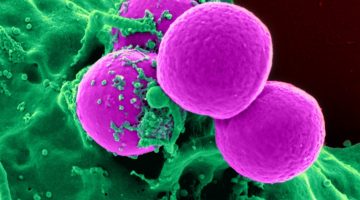
Research suggests that in some cases, elevated immune activity, particularly increased natural killer (NK) cell response, may interfere with embryo implantation.
Intralipids may help regulate this response, creating a more receptive environment for implantation during IVF, IUI, or natural conception support.
What Are Intralipids?
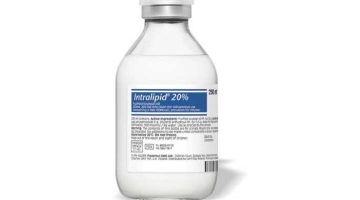
Intralipids are a fat-based intravenous (IV) nutritional solution made from :
• 10% soybean oil
• 1.2% egg yolk phospholipids
• 2.25% glycerin
• Water for injection
Originally developed as a nutritional supplement for patients unable to consume food orally, intralipids are now also used in some fertility settings due to their potential immune-modulating effects.

Why Are Intralipids Used in IVF?
Intralipids are sometimes used in IVF because evidence suggests they may help reduce overactive immune responses that can make implantation more difficult.
In particular, intralipid infusion may help deactivate overactive natural killer (NK) cells, which in some individuals may mistakenly identify an implanting embryo as a threat.
Some studies suggest that using intralipids during fertility treatment may help improve implantation rates for patients with:
• Recurrent miscarriage
• Recurrent implantation failure
• Elevated NK cell activity
• Autoimmune-related infertility concerns
Research in this area is ongoing, and intralipids are considered an optional or supplemental therapy rather than a standard part of IVF.
When Are Intralipids Given?
At CNY Fertility, intralipid infusion timing is individualized, but treatment often begins 1–4 days before an IUI, IVF retrieval, or embryo transfer, and may continue weekly through approximately 12–14 weeks of pregnancy if conception occurs.
This timeline helps keep NK cell activity regulated during the window when implantation and early placental development are occurring.

How Do Intralipids Work?
While the exact mechanism is still being researched, intralipids appear to support fertility through immune modulation rather than hormonal effects.
Possible benefits may include:
• Reducing overactive NK cell response
• Promoting a more receptive uterine environment for implantation
• Supporting early placental development
For individuals whose immune response may interfere with implantation, intralipids may help create conditions more favorable for pregnancy success.
How Long Do Intralipids Stay in the System?
Intralipids may remain active in the body for several weeks, but timing can vary depending on metabolism, immune response, and dosage. This is why repeat treatments may be recommended throughout early pregnancy when medically appropriate.
Cost of an Intralipid Infusion
One reason intralipids have become more popular in IVF protocols is cost. Compared to intravenous immunoglobulin (IVIG), intralipids are far more affordable.
| Immune Support Treatment | Approximate Cost per Infusion | Notes |
|---|---|---|
| Intralipids | ~$100 | Synthetic, well-tolerated, no blood products |
| IVIG | ~$2,000 | Human blood-derived product, significantly higher cost |
For most patients, an intralipid infusion takes about 90 minutes to 2 hours.
Intralipid Infusion Side Effects
Most patients tolerate intralipid infusion well. Reported side effects are uncommon and typically mild, but may include:
• Headache
• Temporary fatigue
• Localized irritation at the IV site
Since intralipids contain egg and soy components, they are not recommended for individuals with allergies to those ingredients.
Intralipid Infusion Near Me
CNY Fertility offers intralipid infusion at multiple locations, and some patients may also receive treatment through coordinated home infusion or local medical partners when available.
Who Might Benefit from Intralipids?
Patients may be candidates if they have:
• Two or more miscarriages
• Multiple failed embryo transfers
• Known or suspected immune-related fertility concerns
• Diagnosed elevated NK cell activity
• A history of chemical pregnancies or recurrent implantation failure
Frequently Asked Questions
What are intralipids used for in IVF?
They are used to help reduce immune overactivation, particularly NK cell activity, which may interfere with embryo implantation.
How long do intralipids stay in your system?
They can remain active for weeks, which is why they’re sometimes repeated throughout early pregnancy.
Are intralipids required for IVF?
No. They’re considered an optional immune-support therapy and are recommended only when medically appropriate.
Can intralipids help with miscarriage?
Some research suggests they may help individuals experiencing recurrent miscarriage related to immune activation, though results vary and research continues.
Getting Started
If you’re undergoing IVF, IUI, or another fertility treatment and want to know whether intralipid infusion may support your cycle, talk with your care team. You can also request a consultation at CNY Fertility to learn whether you are a candidate.