Can IVF Prevent or Screen for Down Syndrome?

Quick Answer:
Yes. IVF can significantly reduce the chance of Down syndrome by allowing embryos to be genetically tested before transfer. This testing makes it possible to screen embryos for chromosomal conditions like Down syndrome (trisomy 21) before pregnancy.
Embryos that test positive are typically not transferred, which greatly reduces the chance of conceiving a pregnancy with Down syndrome per embryo transfer.
Studies suggest this type of embryo testing is about 95 to 99% accurate at detecting whole-chromosome abnormalities like Down syndrome when mosaicism is not present.
However, IVF itself does not change chromosome biology, and embryo testing is considered a screening tool rather than a definitive diagnosis. For this reason, prenatal screening or diagnostic testing during pregnancy is still recommended.

How IVF Can Reduce the Risk of Down Syndrome
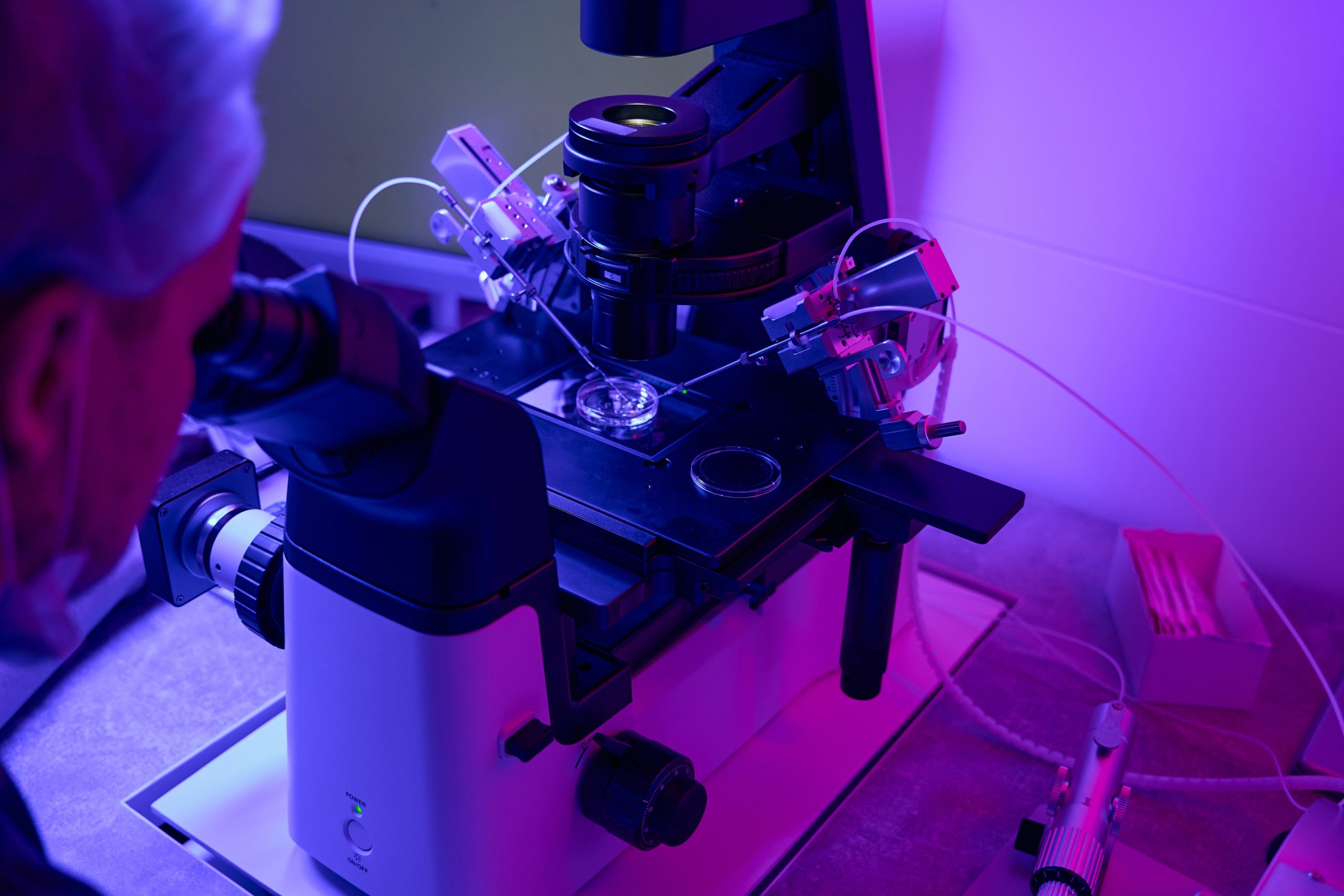
IVF allows embryos to be created in a laboratory outside the body. This makes it possible to genetically test embryos for chromosomal conditions before pregnancy occurs.
When embryos are tested during IVF, a small sample of cells is analyzed to determine whether the embryo has the correct number of chromosomes.
This process sorts embryos into three categories, each of which has different implications for transfer decisions:
- Chromosomally normal (euploid)
- Chromosomally abnormal, including embryos with Down syndrome (aneuploid)
- Mosaic, meaning a mix of normal and abnormal cells
Because Down syndrome is caused by an extra copy of chromosome 21, embryo genetic testing can often detect this condition before transfer. Embryos that test positive for Down syndrome are typically not selected for transfer, helping reduce the chance of having a child affected with Down syndrome.
An Important Distinction: Per Transfer vs. Per Retrieval
One of the most important things to understand about IVF with embryo testing is the difference between success per embryo transfer and success per egg retrieval. These are not the same thing, and the distinction matters significantly for setting realistic expectations.
PGT-A can improve outcomes per embryo transfer by helping identify chromosomally normal embryos before they are transferred. However, it does not increase the total number of embryos created from a single egg retrieval.
The number of embryos available depends on age, ovarian reserve, and how many eggs are retrieved in the first place.
The Takeaway
Embryo testing may help you make a more informed choice about which embryo to transfer each time, but it does not add more embryos to the pool. This distinction is emphasized in professional guidance and is central to understanding what testing can and cannot offer.What Causes Down Syndrome?
Down syndrome is caused by trisomy 21, meaning there are three copies of chromosome 21 instead of the usual two. This happens when chromosomes fail to separate correctly during egg or sperm formation. The risk of this type of chromosomal difference increases with maternal age, which is why the likelihood of Down syndrome rises as women get older.
Because many embryos created at older maternal ages can have chromosomal abnormalities, genetically screening embryos before transfer can help identify those with the correct number of chromosomes.
How the IVF Embryo Testing Process Works
An IVF cycle that includes embryo testing generally involves:
- Ovarian stimulation to produce multiple eggs
- Egg retrieval
- Fertilization of eggs with sperm in the lab
- Embryo development to day 5 to 6 (blastocyst stage)
- Biopsy, where a few cells are removed from the trophectoderm (the portion that becomes the placenta)
- Chromosome testing of those cells
- Frozen embryo transfer of a euploid embryo
How Accurate Is Embryo Testing in IVF for Down Syndrome?
Studies suggest that embryo testing is about 95 to 99% accurate at detecting whole-chromosome abnormalities like Down syndrome when mosaicism is not present. Misdiagnosis after euploid embryo transfer appears uncommon in current evidence, though rare misclassification can occur. It is also worth noting that accuracy is influenced by when the biopsy is taken: blastocyst-stage (day 5 to 6) biopsy is now standard because earlier cleavage-stage biopsy has been associated with reduced implantation rates.
However, the test examines only a small sample of cells, not the entire embryo. Because of this, embryo testing is considered a highly accurate screening tool rather than a definitive diagnosis. Medical guidelines still recommend prenatal testing during pregnancy, even after transferring an embryo that tested normal.
Mosaic Embryos: Why Results Can Be Complex
A mosaic embryo is one in which some cells appear chromosomally normal while others appear abnormal. Mosaicism is one of the more clinically nuanced areas of embryo testing, and it cannot be resolved with a simple yes or no answer.
Mosaic results can arise because only a small portion of the embryo is tested, embryos can contain genuinely mixed cell populations, and some abnormal cells may self-correct during development.
The significance of a mosaic result depends on several factors:
- The degree of mosaicism (what percentage of cells appear abnormal)
- Which chromosome is involved
- Overall embryo quality
- The patient’s age, reproductive history, and remaining embryo options
Because of this variability, professional guidance recommends individualized counseling rather than rigid rules when a mosaic embryo is the only or best available option for transfer. Some patients with mosaic embryos have gone on to have healthy pregnancies, while mosaic results in other cases may indicate more significant concern. The decision requires careful discussion with your fertility specialist.
Maternal Age and Down Syndrome Risk
Maternal age is one of the strongest factors influencing the risk of Down syndrome. A commonly cited age-risk table shows:
| Maternal Age | Risk of Down Syndrome |
|---|---|
| 25 | 1 in 1,340 |
| 30 | 1 in 940 |
| 35 | 1 in 353 |
| 40 | 1 in 85 |
| 45 | 1 in 35 |
Embryo aneuploidy rates also rise with maternal age in IVF datasets, which is one reason embryo testing is often considered more strongly in older age groups. These numbers are population averages, and individual risk can vary.
Can IVF Guarantee a Baby Without Down Syndrome?
No. While IVF with genetic testing can significantly reduce the chance of Down syndrome, it cannot guarantee that a pregnancy will be free of chromosomal conditions. This is because the test is a screening tool rather than a diagnostic one, embryos can have mosaic cell patterns, and only a small number of cells are analyzed.
For this reason, prenatal screening tests such as NIPT, or diagnostic tests such as amniocentesis or CVS, are still recommended during pregnancy even after a normal embryo testing result.
Not Every IVF Patient Needs Embryo Testing
Embryo testing can be especially helpful for patients who are older, have experienced recurrent pregnancy loss, or want to reduce the chance of transferring an embryo with a chromosomal condition. In these situations, screening may meaningfully inform transfer decisions.
However, embryo testing is not automatically necessary for every IVF patient. Professional guidance emphasizes that its benefits vary depending on age, diagnosis, and family goals, and the decision is best made through individualized counseling with your fertility team.
Cost of IVF and Embryo Testing for Down Syndrome
The cost of IVF with embryo testing can vary depending on how many embryos are tested and the specifics of your treatment plan. Typical price ranges include:
| Cost Component | Typical U.S. Range | CNY Fertility Typical Cost |
|---|---|---|
| IVF cycle (including medications and monitoring) | $20,000–$25,000+ | $7,295 |
| Embryo testing | $4,000–$5,000 | About $2,000 |
| Frozen embryo transfer (including medications and monitoring) | $4,000–$5,000 | $1,940 |
| Estimated total IVF + testing + transfer | $28,000–$35,000 | $10,035–$12,000 |
Actual costs vary based on the number of embryos tested and individual treatment needs.
Frequently Asked Questions
Can IVF prevent Down syndrome?
IVF alone cannot prevent Down syndrome. However, IVF with genetic embryo testing can identify embryos with Down syndrome before transfer and significantly reduce the chances of having a child affected with Down syndrome.
Can IVF screen embryos for Down syndrome?
Yes. IVF allows embryos to be genetically tested for chromosomal conditions like Down syndrome before pregnancy.
How accurate is IVF testing for Down syndrome?
Embryo testing during IVF is estimated to be about 95 to 99% accurate for detecting Down syndrome when mosaicism is not present, though rare misclassification can occur.
Do you still need prenatal testing after IVF?
Yes. Medical guidelines recommend prenatal screening or diagnostic testing during pregnancy even after embryo testing.
Why does maternal age increase Down syndrome risk?
Down syndrome most often occurs because chromosomes fail to separate properly during egg formation. These errors become more prevalent with advanced maternal age.
What happens if my only embryo is mosaic?
Mosaic embryos require individualized counseling. The significance of a mosaic result depends on the degree of mosaicism, which chromosome is involved, embryo quality, and your personal situation. Some patients with mosaic embryos have had healthy pregnancies. This decision should be made in close consultation with your fertility specialist.
The Bottom Line
IVF alone does not prevent Down syndrome. However, IVF combined with genetic embryo testing can significantly reduce the chance of Down syndrome by allowing chromosomally abnormal embryos to be identified before transfer.
This testing improves outcomes per embryo transfer, but it does not increase the total number of embryos available from a retrieval. Because the test is a screening tool rather than a perfect diagnosis, prenatal testing during pregnancy is still recommended to confirm fetal development and provide additional reassurance.