IUI with Letrozole: How It Works, Success Rates, and When to Take It

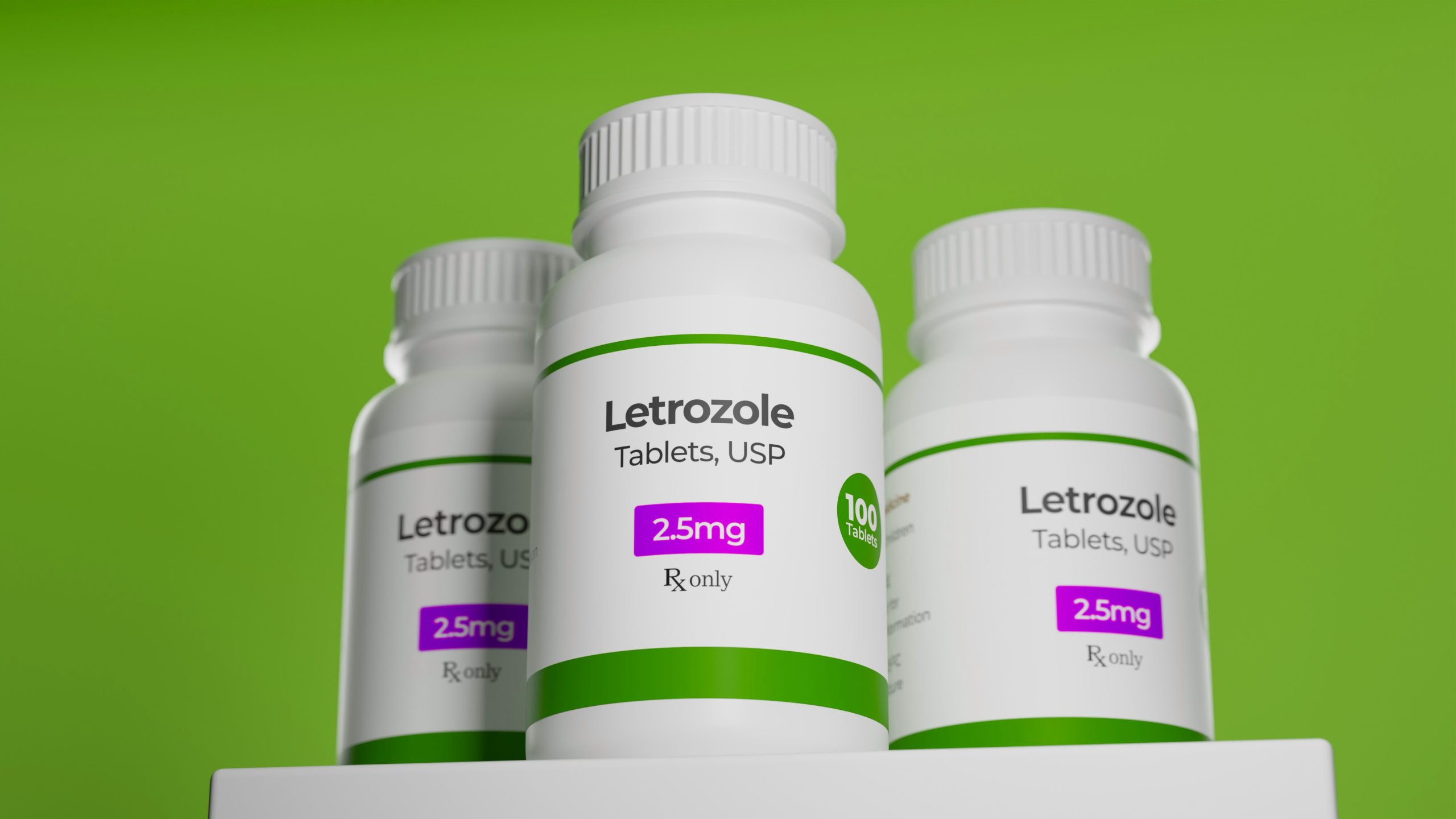
Quick answer: IUI with Letrozole
Letrozole is commonly used with IUI to encourage egg development, stimulate ovulation, and improve insemination timing.
For many patients, IUI success rates with letrozole are higher than natural cycles and comparable to or better than clomid, often with fewer side effects.
It is also more cost-effective and carries a lower risk of multiple pregnancy than IUI cycles using injectable gonadotropins. For these reasons, letrozole has become the preferred first-line oral medication for IUI in most fertility practices today.
It is widely used across nearly all IUI patients, including those with irregular ovulation, PCOS, unexplained infertility, and even regularly ovulating individuals who want improved timing and follicle control.
It supports the development of one or more mature follicles while keeping hormone levels closer to natural physiology. Ovulation may occur naturally after letrozole or be precisely timed with a trigger shot to optimize insemination timing.
This article explains what letrozole does for IUI, when it is taken in an IUI cycle, how effective IUI with letrozole is, how trigger timing works, and how it compares to other medication options.

What Is Letrozole?
Letrozole is an oral medication classified as an aromatase inhibitor. It was originally developed for breast cancer treatment but is now widely used in fertility care to induce or regulate ovulation.
In IUI cycles, letrozole is used to:
- Support the development of one to three follicles
- Encourage ovulation
- Thicken the endometrial lining
- Improve timing for insemination
- Reduce the risk of high-order multiples compared to injectable medications
Letrozole is often preferred over clomiphene because it tends to have fewer anti-estrogen effects on the uterine lining and cervical mucus.
What Does Letrozole Do for IUI?
Letrozole works by temporarily lowering estrogen levels, which signals the brain to release more follicle-stimulating hormone (FSH).
This increase in FSH:
- Stimulates the production of mature follicles in the ovaries
- Encourages egg maturation
- Improves the predictability of ovulation
Once follicles mature, ovulation occurs either naturally or with the help of a trigger shot, allowing IUI to be timed precisely.

How Letrozole Is Used in an IUI Cycle
When to Start Letrozole for IUI
Letrozole is usually started early in the menstrual cycle, most commonly on cycle day 2–5. The exact start day may vary depending on provider preference and individual history.
How Long to Take Letrozole for IUI
Most patients take letrozole once daily for five consecutive days early in their cycle. The standard dose for IUI is 5 mg per day, taken as two 2.5 mg tablets by mouth. In some cases, a provider may increase the dose to 7.5 mg per day (three tablets) if a stronger ovarian response is needed.
If monitoring shows little to no follicular growth after the initial five-day course, the course may be repeated. This is not uncommon and does not necessarily indicate a problem — some women simply require additional stimulation before follicles begin to develop.
Common schedules include:
- Cycle days 3–7
- Cycle days 5–9
After finishing letrozole:
- Follicle growth is monitored by ultrasound
- Ovulation timing is assessed using hormone levels or ovulation predictor kits
- A trigger shot may be given if needed
- IUI is typically scheduled the day after the trigger shot, or the day after a positive LH surge
IUI Success Rates With Letrozole
How Effective Is IUI With Letrozole?
IUI success rates with letrozole vary based on age, diagnosis, and sperm quality. Research shows that ovulation induction with letrozole improves pregnancy rates compared to natural cycles and is at least comparable to clomiphene in many patient populations.
Typical per-cycle pregnancy rates for IUI with letrozole are approximately :
- 10–20% per cycle for many patients under age 35
- 8–15% per cycle for patients ages 35–37
- Lower rates with increasing age or diminished ovarian reserve
While a single cycle may have modest odds, cumulative pregnancy rates increase meaningfully over multiple attempts. Across three to four well-timed cycles, cumulative success rates can reach approximately 30–40% in appropriately selected patients, which is why most specialists recommend completing several cycles before reassessing.
Success is highest when:
- Ovulation is successfully induced
- Sperm parameters are adequate
- Tubes are open
- One to three mature follicles develop
IUI Success Rate With Letrozole vs Natural Cycles
Compared to unmedicated IUI cycles, letrozole:
- Increases ovulation predictability
- Improves timing accuracy
- Often results in higher pregnancy rates
This makes it a common first-line medication for IUI.
How Many Letrozole IUI Cycles Should You Try?
Many fertility specialists recommend trying 3 to 4 cycles of IUI with letrozole before reassessing the treatment strategy.
If pregnancy has not occurred after several well-timed cycles, your provider may recommend:
- Additional diagnostic evaluation
- Adjusting medication dose
- Adding a trigger shot if not previously used
- Transitioning to IVF
The decision depends on age, ovarian reserve, diagnosis, and how well follicles developed during prior cycles. For patients over 35 or those with diminished ovarian reserve, fewer IUI attempts may be recommended before moving to more aggressive treatment.
Letrozole vs Clomid for IUI
Letrozole and clomiphene citrate are both oral ovulation-induction medications, but they work differently.
Letrozole is often favored because it:
- Has less thinning effect on the uterine lining
- Produces lower estrogen exposure
- Carries a lower risk of twins compared to Clomid
- Is especially effective for people with PCOS
For many clinics, letrozole has become the preferred oral medication for IUI. That said, some patients respond well to Clomid and may not require a switch. Medication choice is always individualized based on diagnosis, ovarian reserve, and prior response.
How Many Follicles Develop With Letrozole?
Letrozole typically encourages one to three mature follicles. This controlled response:
- Improves pregnancy chances
- Reduces the risk of high-order multiple pregnancy
- Keeps cycles safer and more predictable
If too many follicles develop, cycles may be cancelled or adjusted to avoid excessive risk.
Do You Need a Trigger Shot With Letrozole IUI?
Not always, but a trigger shot is often recommended.
When one is used, it precisely times ovulation, improves synchronization between ovulation and insemination, and reduces the chance of missing the fertile window.
When a trigger shot is not used, ovulation is monitored in one of two ways.
- Some patients come into the office for daily ultrasound and blood work to detect a natural LH surge.
- Others monitor at home using LH strips or ovulation predictor kits and call the clinic when a surge is detected to schedule insemination.
Home monitoring is a convenient option, though it is generally less accurate than blood work and may occasionally miss or mistime a surge.
Your provider will recommend the approach that best fits your cycle pattern, monitoring schedule, and individual response to the medication.
Side Effects of Letrozole for IUI
Most people tolerate letrozole well, and side effects tend to be mild and short-lived, typically resolving within a day or two of completing the five-day course.
Common side effects may include:
- Headache
- Fatigue
- Dizziness
- Hot flashes
- Mild nausea
Because letrozole clears the body quickly and does not have the prolonged anti-estrogen effects of clomiphene, many patients find it easier to tolerate overall.
Risks of Letrozole With IUI
Letrozole is considered safe for fertility treatment when prescribed and monitored appropriately. Serious complications are uncommon with oral medications.
Potential risks include:
- Mild ovarian hyperstimulation (rare with oral medications compared to injectables)
- Multiple pregnancy (lower risk than injectables, though still possible)
- Cycle cancellation if follicular response is inadequate or excessive
Regular ultrasound and hormone monitoring throughout the cycle helps minimize these risks and allows your provider to adjust the plan if needed.
Who Is a Good Candidate for IUI With Letrozole?
Letrozole is commonly used for:
- PCOS or irregular ovulation
- Unexplained infertility
- Mild male factor infertility
- Same-sex female couples using donor sperm
- Single parents by choice
- Patients seeking a lower-cost, lower-risk IUI option
Medication choice is always individualized based on diagnosis, history, and provider preference.
Frequently Asked Questions
What does letrozole do for IUI?
It stimulates ovulation by increasing FSH, helping follicles mature and improving timing for insemination.
When should I start letrozole for IUI?
\Most patients start letrozole on cycle day 3, 4, or 5 and take it for five consecutive days.
How effective is IUI with letrozole?
Per-cycle success rates are commonly around 10–20%, depending on age and diagnosis. Cumulative rates across three to four cycles can reach 30–40% in good candidates.
Is letrozole better than Clomid for IUI?
For many patients, yes. Letrozole often results in better lining quality and a lower twin risk, particularly in patients with PCOS.
IUI With Letrozole: Key Takeaways
- Letrozole is a first-line medication for IUI in most fertility practices today
- It improves ovulation predictability and timing
- IUI success rates with letrozole are higher than natural cycles for many patients
- Cumulative success across three to four cycles can reach approximately 30–40%
- It carries a lower risk of multiples than injectable medications
- Most patients take letrozole for five days early in the cycle
- Monitoring and timing matter as much as medication choice
For many people pursuing IUI, letrozole offers an effective, affordable, and lower-risk way to improve the chances of pregnancy while maintaining careful control over follicle development and ovulation timing.