IVF Follicles Explained: Sizes by Day and What Matters

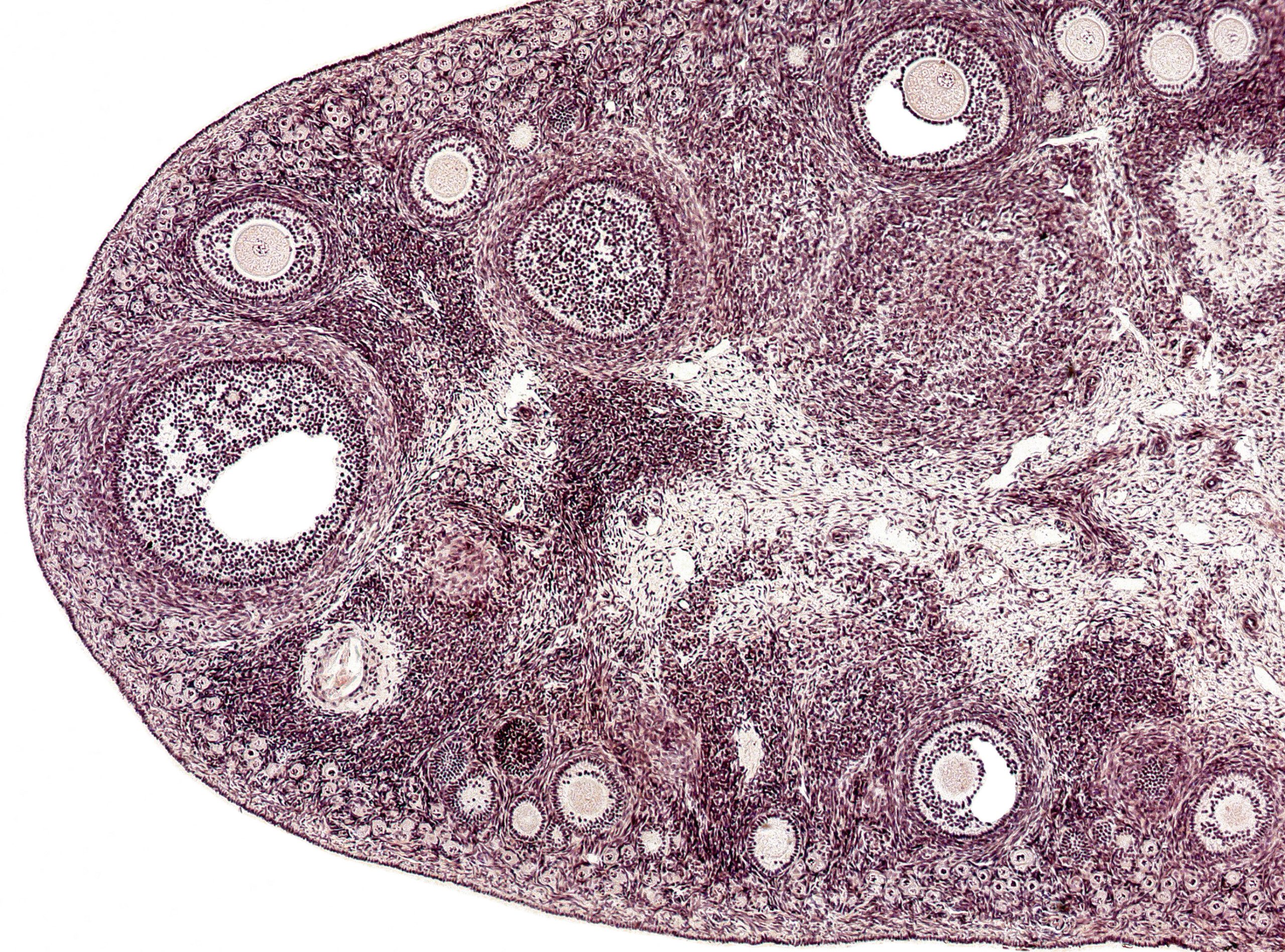
When undergoing in vitro fertilization (IVF), follicles quickly become one of the most important and often confusing parts of the process. Understanding IVF follicle size, growth patterns, and follicle counts can help you better interpret ultrasound results and know what to expect as your cycle progresses.
Follicles are fluid-filled sacs in the ovaries that contain developing eggs. Their number, size, and rate of growth give your fertility team critical insight into how your ovaries are responding to stimulation medications and when eggs are likely to be mature for retrieval.
In this guide, you’ll learn:
-
What follicles are and why they matter
-
How follicles are monitored and measured
-
Day by day follicle sizes
-
The difference between antral follicles (baseline reserve) and mature follicles
-
The optimal follicle size for egg maturity
-
How many mature follicles are ideal for IVF success
Whether you’re preparing for your first cycle or looking to better understand your follicle scan results, this article breaks it all down clearly and simply.
Key Points About Follicles in IVF
- Structure & function: Follicles house, nourish, and protect developing eggs.
- Follicles grow: From the start of your cycle through egg retrieval. IVF medications help follicles grow steadily in size as the egg inside matures.
- Baseline reserve (AFC): Your antral follicle count helps predict how your ovaries may respond to IVF medications and is an indicator of your ovarian reserve
- Monitoring: Follicles are measured using transvaginal ultrasound throughout stimulation to track growth and time the egg retrieval.
- Size matters: Most clinics aim for follicles around 16–22 mm before your trigger shot for the highest chance of retrieving mature eggs.
- Quantity vs. quality: Multiple follicles increase your chances, but egg quality is ultimately more important than egg count.
What are Follicles?
Follicles are small, fluid-filled sacs located within the ovaries that house developing eggs (oocytes).
Each menstrual cycle, several follicles begin to grow, but typically only one reaches full maturity and releases an egg during ovulation. The remaining follicles naturally stop developing, and the eggs inside of them die off as a normal part of the ovarian cycle.
During IVF, injectable medications stimulate multiple follicles to grow at the same time. This increases the overall chance of developing healthy embryos for transfer, and of your IVF cycle resulting in a live birth.
How Are Follicles Measured During IVF?
Ultrasound Scans
Follicles are measured during a “monitoring” appointment using a transvaginal ultrasound, which shows:
-
How many follicles are growing
-
Their size in millimeters
-
How quickly they’re developing
How Often Are Scans Done?
Monitoring typically includes:
- A baseline scan between day 2-5 of your menstrual cycle – before starting medication
- Ultrasounds every 2–5 days during stimulation
- More frequent scans once follicles approach maturity
Why Monitoring Matters
Close monitoring ensures:
- Your cycle progresses safely
- The trigger shot is timed correctly
- Egg retrieval occurs when the majority of follicles are mature
IVF Follicle Size by Day: Typical Growth Pattern
During IVF stimulation (or ovarian stimulation cycles), follicles grow at a fairly consistent daily rate, though exact timing and size vary by person, response, and treatment protocol.
- On average, follicles grow about 1.3–1.7 mm per day with stimulation medications.
- In some reports, growth during later stages of stimulation may be slightly faster, up to around 2 mm/day.
- As a guideline, many clinics aim for lead (dominant) follicles to reach 16–22 mm before triggering ovulation or egg retrieval, because this size range tends to yield the best chances of retrieving a mature egg.
Typical IVF Follicle Growth Chart (Trigger on Stimulation Day 10)
The table below shows a general example of follicle growth during an IVF cycle where the trigger occurs around stimulation day 10. Individual timelines vary based on age, ovarian reserve, medication dose, and protocol.
| Stimulation Day | What Is Happening | Typical Follicle Size |
|---|---|---|
| Baseline (Day 0) | Antral follicle count measured | 2 to 5 mm |
| Day 2 to 3 | Early follicle growth begins | 4 to 8 mm |
| Day 4 to 5 | Response to stimulation becomes clear | 6 to 10 mm |
| Day 6 to 7 | Coordinated growth, lead follicles appear | 10 to 14 mm |
| Day 8 to 9 | Majority reach mid to late maturity range | 14 to 18 mm |
| Day 10 | Common trigger day | 18 to 22 mm |
| 36 hours after trigger | Egg retrieval | 18 to 24 mm or larger |
Antral Follicles (AFC): Your Baseline Egg Supply
Your antral follicle count (AFC) is the number of small, resting follicles visible on ultrasound at the beginning of your cycle. Your AFC reflects how many resting follicles are available at the start of the cycle.
What Is a Normal AFC?
Most people with regular ovulation have 10–20 antral follicles during their reproductive years. AFC naturally declines with age:
- About 4.8% decrease per year before age 37
- About 11.7% decrease per year after age 37
This decline is a normal part of aging and is expected.
What Does AFC Tell You?
AFC offers insight into potential response to stimulation and has been shown to have some correlation with clinical pregnancy rates :
- Lower AFC → may produce fewer follicles and have lower pregnancy rates
- Higher AFC → may produce more follicles and have higher pregnancy rates
While AFC can help predict how your ovaries may respond to medications and can be associated with outcomes, it is not the sole determinant of success. Many people with lower AFC still produce healthy eggs and achieve pregnancy through IVF.
Optimal Follicle Size for IVF Trigger and Egg Maturity
As stimulation progresses, follicle size becomes one of the best indicators of egg maturity. When the majority of follicles reach the ideal size range of 16mm-22mm, your provider schedules the trigger shot.
Follicles Grow at Different Speeds
It’s normal to see a mix of follicle sizes on your ultrasound. Follicles typically do not all grow at the same rate.
This is also why medications like Cetrotide or Ganirelix are used. These medications:
- Prevent premature ovulation
- Slow the fastest-growing follicles
- Allow smaller follicles time to catch up
This helps to ensure the most follicles possible reach maturity
What is an Ideal Follicle Size on Trigger Day
Clinical Target Range
Most providers aim for follicles around 16–22 mm before triggering ovulation. Your team times the trigger when the majority of follicles fall within this optimal range, though smaller or slightly larger ones may still contain mature eggs.
How Many Mature Follicles Are Ideal for IVF Success?
Once you understand what size follicles are considered mature, the next question naturally becomes: How many mature follicles do you need?
It’s easy to assume that IVF requires a very high follicle count, but remember, you only need one mature follicle with one healthy egg and sperm to achieve pregnancy. That’s how natural conception works, and it can happen in IVF as well.
That said, for most IVF cycles, around 8–15 growing follicles is considered ideal. This range typically provides:
- Enough eggs to offer strong chances for fertilization
- A lower risk of ovarian hyperstimulation syndrome (OHSS)
- A good balance between egg yield and safety
But importantly, Egg quality matters more than egg quantity. Someone with only a few mature follicles can still produce a healthy embryo that leads to pregnancy.
IVF and Follicles: The Takeaway
Follicles play a central role in IVF and offer valuable insight into ovarian response and egg maturity. By monitoring follicle number, growth, and size, your fertility team can determine the ideal time for egg retrieval and maximize your chances of success.
You only need one high-quality embryo to achieve pregnancy. Having multiple mature follicles increases your odds of developing a healthy embryo.
Frequently Asked Questions About IVF Follicles
What follicle size is considered mature in IVF?
Most clinics consider follicles mature when they measure between 16 and 22 mm at the time of the trigger shot.
How fast do follicles grow during IVF?
Follicles typically grow about 1 to 2 mm per day during stimulation, though growth rates vary.
Can smaller follicles still contain mature eggs?
Yes. Follicles slightly smaller than the target range can still contain mature eggs, especially later in stimulation.
Is it bad to have follicles of different sizes?
No. Uneven follicle growth is common and expected during IVF cycles.
How many follicles do you need to get pregnant with IVF?
IVF can succeed with just one mature egg, but having multiple mature follicles increases the chance of creating a healthy embryo.