Estrogen Priming IVF: How It Works, Who It Helps, and What to Expect

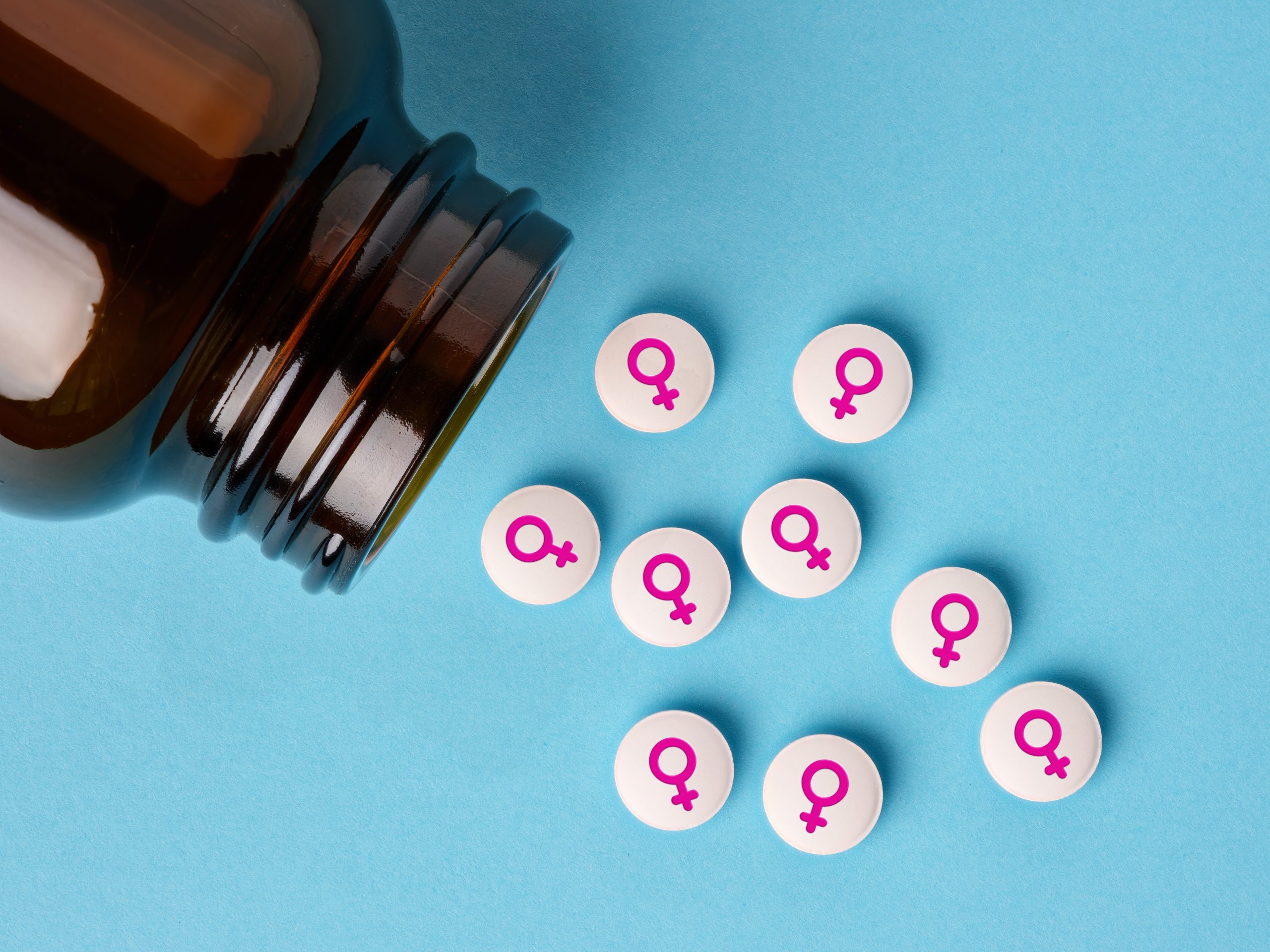
Quick answer: Estrogen priming IVF is a specialized fertility protocol. It is designed to improve follicle synchronization and ovarian response, particularly for patients with diminished ovarian reserve or those with a history of poor response to standard stimulation protocols.
While conventional IVF begins stimulation early in the menstrual cycle, estrogen priming starts weeks before stimulation begins.
By carefully controlling estrogen exposure in the luteal phase of the prior cycle, fertility specialists can improve the uniformity of follicle growth and enhance overall response to IVF medications.
What Is Estrogen Priming in IVF
Estrogen priming is a protocol used before ovarian stimulation during the process of IVF.
Estrogen priming involves taking estradiol pills or using estrogen patches in the luteal phase of the cycle before standard IVF medications begin.
In some protocols, combined oral contraceptive pills (birth control) or estrogen taken alongside short-term progesterone may also be used to regulate follicular development and help coordinate cycle timing.
The goal is to prevent early follicular growth so that more follicles are ready to grow simultaneously once stimulation begins.
This protocol is most often used for patients who have had suboptimal IVF cycle outcomes or who are predicted to respond poorly to stimulation.
How Estrogen Priming Works
In a natural cycle, multiple follicles begin to grow, but they do so at slightly different times. In women with diminished ovarian reserve or poor ovarian response, follicle growth tends to be more uneven or asynchronous. This often results in fewer follicles responding well to ovarian stimulation during an IVF cycle.
Estrogen priming helps suppress early follicle growth, allowing a larger group of follicles to start developing together once stimulation begins.
In addition, estrogen priming has been found to temporarily lower the body’s natural follicle-stimulating hormone (FSH) levels. This brief suppression limits early follicular development, allowing follicles to respond more evenly and predictably once injectable FSH is introduced.
Who Is Estrogen Priming IVF For
Estrogen priming is recommended for patients with:
- diminished ovarian reserve
- low AMH
- elevated FSH
- Poor IVF response, including few eggs retrieved in past cycles, or inconsistent follicle growth patterns.
Estrogen Priming IVF Protocol Overview
|
Phase |
What Happens |
|
Luteal phase of prior cycle |
Estrogen patch, estradiol pills, birth control pills or estrogen and progesterone together begin after ovulation |
|
Period starts |
Estrogen is discontinued and ovarian stimulation begins shortly after |
|
Stimulation phase |
Injectable IVF medications begin |
|
Trigger and retrieval |
Egg retrieval once the follicles mature |
Benefits of Estrogen Priming IVF
Estrogen priming can lead to
- improved follicle synchronization
- more consistent ovarian response
- fewer canceled cycles
- better egg yield in poor responders
- improved embryo development potential
Estrogen Priming vs Traditional IVF
|
Feature |
Traditional IVF |
Estrogen Priming IVF |
|
Pretreatment |
None |
Estrogen, sometimes with birth control or progesterone |
|
Best for |
Average responders |
Poor or low responders |
|
Follicle growth |
Often uneven |
More synchronized |
|
Cycle cancellation risk |
Higher in women with low ovarian reserve |
Reduced in women with low ovarian reserve |
Medications Used in Estrogen Priming IVF
|
Medication |
Purpose |
|
Estradiol pills or patches |
Suppress early follicle dominance and regulate follicular development |
|
Birth control pills or progesterone |
Assist with cycle timing and additional follicular regulation |
|
Stimulate multiple follicles |
|
|
Prevent premature ovulation |
|
|
Trigger injection |
Final egg maturation |
Cost of Estrogen Priming IVF
Estrogen priming typically adds only a modest cost to an IVF cycle. Estradiol pills or patches are relatively affordable, and in most cases, estrogen priming does not increase the total cost of IVF by more than a few hundred dollars.
Because estrogen priming is used as a short-term pretreatment rather than a full stimulation medication, it is generally considered a cost-effective adjustment, especially for patients who may benefit from improved follicle synchronization and a reduced risk of cycle cancellation.
The exact cost can vary depending on the specific medications prescribed and where care is provided, and your fertility team can review expected expenses as part of your individualized treatment plan.
Success Rates with Estrogen Priming IVF
Estrogen priming does not guarantee higher pregnancy rates for every patient, but studies suggest it can improve egg yield and cycle completion in women with poor ovarian response.
At CNY Fertility, estrogen priming is incorporated as part of a personalized treatment plan when it is clinically appropriate.
Schedule a consultation today to see how CNY Fertility can support you on your path to parenthood.
FAQ: Estrogen Priming IVF
What does estrogen priming do before IVF?
It suppresses premature follicle growth, temporarily lowers natural FSH levels, and improves follicle synchronization.
Is estrogen priming only for low AMH?
It is used for diminished ovarian reserve but may be used in other situations based on the physician’s recommendation.
Does estrogen priming delay IVF?
It typically adds one to two weeks to the IVF timeline before stimulation begins.
Is estrogen priming safe?
Yes, when properly prescribed and monitored by a fertility specialist.
Estrogen Priming IVF: The Takeaway
Estrogen priming for IVF is not a one-size-fits-all solution. It is a targeted protocol for patients whose ovaries require a more coordinated initiation of stimulation.
For women who have struggled with poor IVF response or low egg numbers, estrogen priming may offer a meaningful improvement in cycle quality and confidence moving forward.