Gonal-F vs Follistim: Comparing IVF Stimulation Medications

Quick answer: Gonal-F vs Follistim
Gonal-F and Follistim are both recombinant follicle-stimulating hormone (FSH) medications used during IVF to stimulate the ovaries to produce multiple eggs. They are clinically equivalent, and neither is universally better. IVF success depends on ovarian response, monitoring, and protocol design, not on which FSH brand is used.
Gonal-F and Follistim are among the most commonly prescribed ovarian stimulation medications in assisted reproductive technology. By increasing the number of eggs available for retrieval, both medications improve the chances of fertilization, embryo development, and pregnancy.
While patients often wonder whether one works better than the other, the key difference between Gonal-F and Follistim is formulation and delivery, not effectiveness.
This article explains how Gonal-F and Follistim compare, how they are used in IVF, what research shows, and how fertility specialists decide between them.
Gonal-F vs Follistim: Side-by-Side Comparison
|
Feature |
Gonal-F |
Follistim |
|
Active hormone |
Recombinant FSH |
Recombinant FSH |
|
Generic name |
Follitropin alpha |
Follitropin beta |
|
LH activity |
None, but often combined with Menopur or low-dose hCG |
None, but often combined with Menopur or low-dose hCG |
|
Source |
Laboratory-produced |
Laboratory-produced |
|
Primary role in IVF |
Develop multiple mature eggs |
Develop multiple mature eggs |
|
Delivery system |
Injection (pen or vial) |
Injection (pen or vial) |
|
Can be combined with other meds |
Yes |
Yes |
Why FSH Medications Matter in IVF
In a natural menstrual cycle, the body typically matures only one egg. IVF works so well in large part because ovarian stimulation medications override this limitation, allowing multiple follicles to grow and mature in the same cycle.
Follicle-stimulating hormone plays a central role in this process. FSH stimulates granulosa cells within ovarian follicles, supporting follicle growth and egg maturation. Without adequate FSH stimulation, IVF would usually yield only a single egg.
Both Gonal-F and Follistim deliver consistent FSH signaling to support this critical step.
What Is Gonal-F?
Gonal-F, also known as follitropin alpha, is a recombinant human FSH medication. It contains FSH only and does not provide luteinizing hormone activity.
As detailed in the standalone Gonal-F article, Gonal-F is used to stimulate multiple follicles during IVF, induce ovulation in women with irregular or absent ovulation, support egg freezing cycles, and treat select cases of male infertility by inducing spermatogenesis.
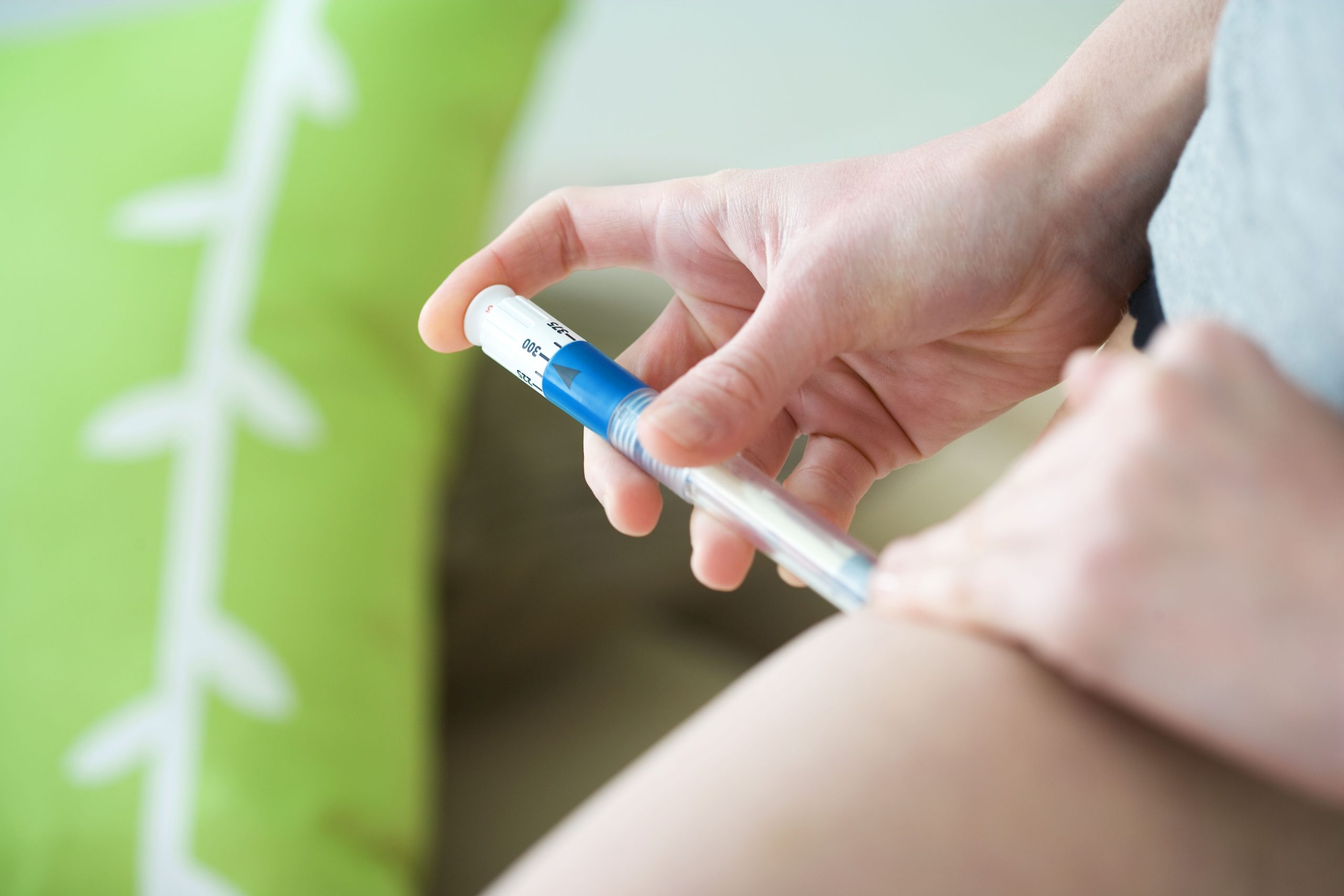
Gonal-F is most commonly administered using the Gonal-F RFF Redi-ject pen, which allows precise dose adjustment and ease of self-administration.
What Is Follistim?
Follistim AQ, also known as follitropin beta injection, is another recombinant human FSH medication. Like Gonal-F, it contains FSH only and does not provide luteinizing hormone activity.
As outlined in the standalone Follistim article, Follistim is used during controlled ovarian stimulation to provide sustained FSH exposure, allowing multiple follicles to continue developing rather than regressing to a single dominant follicle.
Follistim is available in both vial-based and pen-based delivery systems.
The Real Difference: Follitropin Alpha vs Follitropin Beta
Clinically, follitropin alpha and follitropin beta are considered equivalent. Although they are produced using different cell lines and manufacturing processes, both deliver biologically active FSH with comparable clinical outcomes.
Large studies and meta-analyses show no consistent difference in pregnancy or live birth rates between Gonal-F and Follistim when used appropriately.
For patients, this means one is not stronger than the other, switching brands does not reduce success, and response depends on ovarian biology, not formulation.

Is Gonal-F or Follistim Better for IVF?
Neither Gonal-F nor Follistim has been shown to be better overall.
Gonal-F (follitropin alfa) and Follistim/Puregon (follitropin beta) have broadly comparable efficacy in IVF, with similar pregnancy outcomes and similar overall ovarian response in randomized trials.
More recent, broader meta-analyses across FSH products also suggest that pregnancy and live birth rates are generally similar across medications, although small differences in oocyte yield can appear in some comparisons.
IVF success depends far more on achieving adequate and well-timed FSH exposure, individual ovarian reserve and response, careful monitoring and dose adjustment, and proper timing of trigger and egg retrieval than on which FSH brand is used.
As a result, many fertility clinics use Gonal-F and Follistim interchangeably based on pharmacy availability, insurance coverage, or logistical preference rather than clinical superiority.
Why Clinics Prescribe One Over the Other
In most cases, patients are prescribed Gonal-F or Follistim not because one is better for them medically, but because of pharmacy access and clinic workflow.
Many fertility clinics work with a limited number of specialty pharmacies, and those pharmacies may carry only Gonal-F or only Follistim. Over time, clinics also develop familiarity with a specific product’s dosing increments and delivery devices, which streamlines prescribing and monitoring.
Importantly, this preference is based on logistics and experience, not on differences in effectiveness.
Can Gonal-F and Follistim Be Used Together?
Technically, yes. But in practice, they are not used together.
Gonal-F and Follistim both deliver the same hormone, follicle-stimulating hormone (FSH). Using them together would not provide additional benefit, since combining two FSH products does not change the biological signal the ovaries receive. For this reason, fertility clinics use one recombinant FSH medication per cycle rather than combining brands.
Either Gonal-F or Follistim may be combined with medications that provide luteinizing hormone activity (such as Menopur or low-dose hCG) or with GnRH antagonists or agonists to individualize stimulation protocols.
What the Research Shows
Meta-analyses comparing recombinant FSH products demonstrate similar ovarian response, comparable egg yield, and no meaningful difference in pregnancy or live birth rates.
These findings reinforce that FSH-driven stimulation itself, not brand choice, is the primary driver of IVF success.
Who May Use Gonal-F or Follistim?
Both medications are commonly used for first-time IVF patients, individuals with normal ovarian reserve, egg freezing cycles, ovulation induction, and ART cycles requiring precise FSH dosing.
Medication choice is typically based on availability and prior response rather than patient-specific superiority.
Risks and Safety Considerations
Gonal-F and Follistim share identical safety considerations.
The most important risk during ovarian stimulation is ovarian hyperstimulation syndrome.
Risk management includes individualized dosing, close ultrasound and hormone monitoring, and appropriate trigger selection. OHSS risk depends on ovarian response, not which FSH brand is used.
Limitations of Both Medications
Gonal-F and Follistim increase the number of eggs that mature in a cycle, but they do not change the underlying genetic quality of individual eggs. They cannot reverse age-related fertility decline, and they do not guarantee embryo development or pregnancy.
That said, producing more mature eggs can indirectly improve outcomes. By maturing multiple eggs in a single cycle, IVF increases the chances of retrieving at least one egg capable of developing into a healthy embryo. In this way, ovarian stimulation improves selection opportunity—not egg biology itself.
Egg quality remains primarily influenced by age and genetics, while FSH-based stimulation determines how many opportunities are available in a given cycle.
Cost of Gonal-F vs Follistim
IVF cycles using Gonal-F often result in total stimulation medication costs of roughly $3,000 on average, though totals can certainly be higher or lower depending on dosage and cycle length.
Protocols using Follistim generally fall in a similar range, since both medications deliver recombinant FSH and are dosed in comparable units.
Medication costs ultimately depend on the total dose required, not just the specific medication used. A lower-dose stimulation protocol could cost significantly less than a higher-dose protocol using the same medication.
Because IVF stimulation medications are individualized, the most accurate estimate of medication cost usually comes after a treatment protocol is designed and dosing requirements are determined.
Gonal-F vs Follistim: Key Takeaways
- Gonal-F and Follistim are both recombinant FSH medications used in IVF
- Both stimulate the ovaries to produce multiple eggs
- Neither medication is universally better
- Clinical outcomes are comparable
- Choice is driven by logistics, coverage, and response, not superiority