Ovarian Stimulation: Types, Medications, and How Fertility Treatments Use It

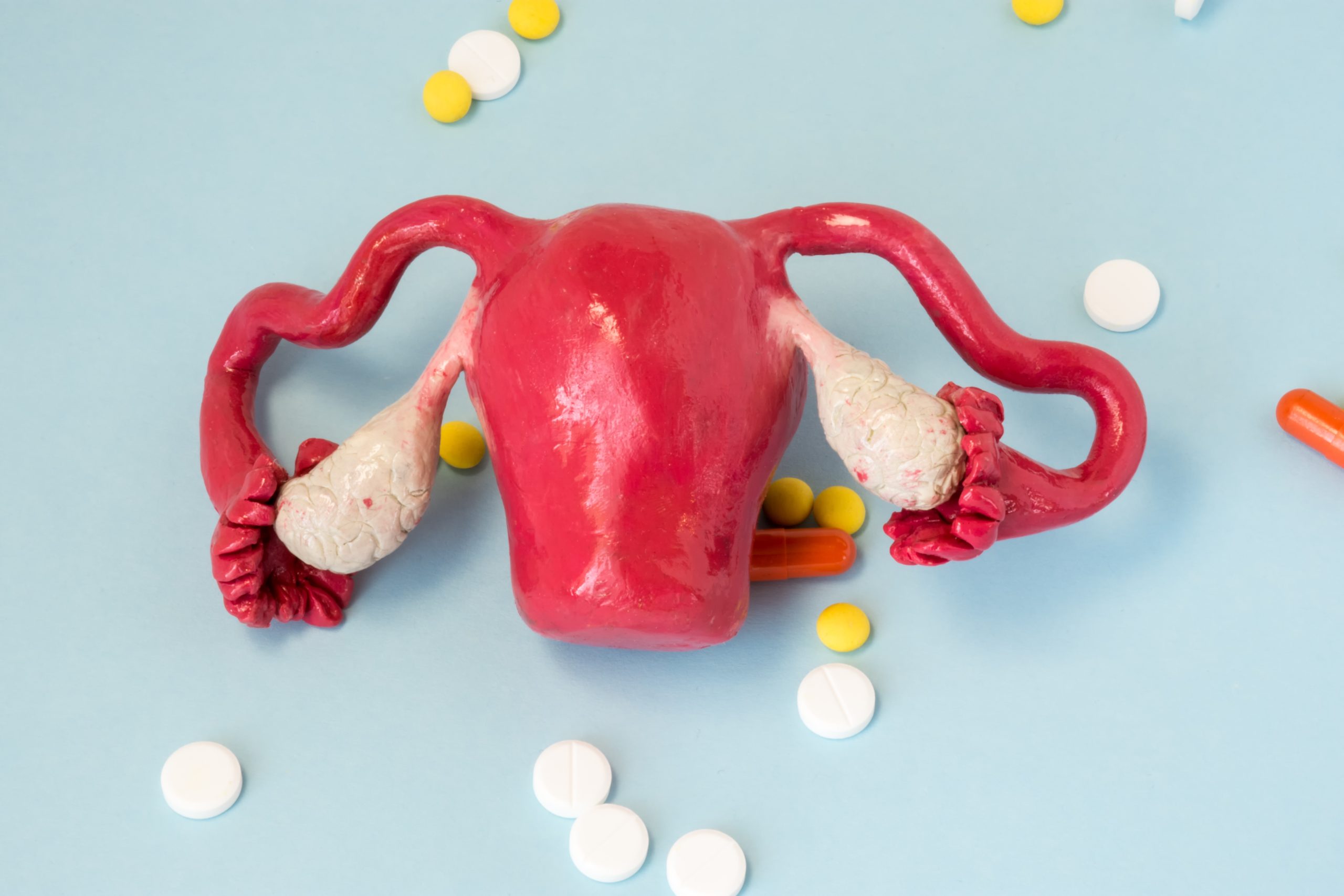
Quick answer: Ovarian stimulation uses fertility medications to support egg development during treatments like timed intercourse, IUI, IVF, and egg freezing. Some approaches aim to mature a single egg, while others intentionally stimulate multiple eggs to improve retrieval and pregnancy chances. The type and intensity of ovarian stimulation depend on the treatment goal, ovarian reserve, and individual response.
While the idea of using medications to stimulate the ovaries can feel intimidating at first, ovarian stimulation is a carefully designed and closely monitored process tailored to an individual’s body, diagnosis, and reproductive goals.
This guide explains what ovarian stimulation is, the two main forms used in fertility care, how providers choose between them, and the medications commonly involved.
Fast Facts About Ovarian Stimulation
Ovarian stimulation uses medications to support egg development
- Some approaches aim for one egg, others for multiple eggs
- Mild stimulation is typically used with timed intercourse or IUI
- Controlled ovarian hyperstimulation is used for IVF and egg freezing
- Protocols are personalized and adjusted based on ovarian response

What Is Ovarian Stimulation?
Ovarian stimulation refers to the use of fertility medications to encourage the ovaries to develop a follicle(s), each of which contains an egg.
In a natural cycle, the body typically selects and matures a single dominant follicle that releases one egg at ovulation. Fertility treatments may influence this process to either support ovulation of one egg or stimulate the development of multiple eggs at the same time.
The intensity of ovarian stimulation depends on the treatment plan and desired outcome.
The Two Main Types of Ovarian Stimulation
There are two broad categories of ovarian stimulation, each typically paired with specific fertility treatments.
Mild Ovarian Stimulation and Ovulation Induction
Ovulation induction and mild ovarian stimulation are most often used with timed intercourse and IUI cycles.
This approach typically aims to produce:
- One mature follicle
- Sometimes two or three follicles
Mild stimulation is commonly recommended for individuals who:
- Do not ovulate regularly
- Have unexplained infertility
- Are pursuing lower-intervention treatment options
- Are early in their fertility care journey
These protocols often involve oral fertility medications and may include low-dose injectable medications in some cases. Monitoring is usually less intensive than IVF stimulation but still includes ultrasound and bloodwork to guide timing and safety.
Controlled Ovarian Hyperstimulation (COH)
Controlled ovarian hyperstimulation is a more intensive form of ovarian stimulation used for IVF, egg freezing, and embryo banking.
The goal of COH is to stimulate the ovaries to mature multiple follicles in a single cycle, allowing several eggs to be retrieved. This supports embryo creation, embryo freezing, future transfer attempts, and genetic testing when appropriate.
COH typically involves:
- Injectable fertility medications
- Regular ultrasound and bloodwork monitoring
- Medications to prevent premature ovulation
- A trigger medication to time egg retrieval
Because this approach produces a stronger ovarian response, it requires closer monitoring and individualized dosing.
Mild Ovarian Stimulation vs Controlled Ovarian Hyperstimulation
| Feature | Mild Ovarian Stimulation | Controlled Ovarian Hyperstimulation |
|---|---|---|
| Typical treatments | Timed intercourse, IUI | IVF, egg freezing |
| Goal | 1–3 follicles | Multiple follicles |
| Medications | Usually oral ± low-dose injectables | Injectable gonadotropins |
| Monitoring intensity | Moderate | Intensive |

How Providers Choose the Right Type of Ovarian Stimulation
There is no single approach that is right for everyone. Fertility specialists select the type and intensity of stimulation based on multiple factors, including:
- Age
- Ovarian reserve markers such as AMH and antral follicle count
- Ovulation patterns
- Underlying fertility diagnoses
- Prior response to fertility medications
- Short- and long-term family-building goals
In general:
- Ovulation induction or mild stimulation is paired with timed intercourse or IUI
- Controlled ovarian hyperstimulation is used for IVF, egg freezing, and embryo banking
Protocols may be adjusted during a cycle based on real-time ovarian response.
Ovarian Stimulation Medications by Treatment Type
Different categories of medications are used depending on the type of stimulation.
Medications Used for Ovulation Induction and Mild Stimulation
These medications typically work by signaling the brain to increase the body’s own production of follicle-stimulating hormone (FSH). Common examples include:
In some cases, low-dose injectable medications may be added to support follicle development.
Medications Used for Controlled Ovarian Hyperstimulation
Controlled ovarian hyperstimulation relies on injectable medications that deliver FSH, and sometimes luteinizing hormone (LH) activity, directly to the ovaries. These medications are designed to stimulate multiple follicles and allow for precise control of ovarian response. Common examples include:
Additional medications are commonly used to prevent premature ovulation and to trigger final egg maturation.
Monitoring, Safety, and OHSS
Ovarian stimulation is guided by monitoring to support safety and optimize outcomes. Monitoring may include:
- Ultrasound exams to track follicle growth
- Blood tests to measure hormone levels
Milder stimulation approaches generally require fewer monitoring visits, while controlled ovarian hyperstimulation involves closer observation due to the higher level of ovarian response.
One important but uncommon risk of ovarian stimulation is ovarian hyperstimulation syndrome (OHSS). OHSS occurs when the ovaries respond too strongly to stimulation and become enlarged and fluid-shifted. Careful dosing, frequent monitoring, and individualized trigger selection make moderate or severe OHSS uncommon, especially outside of IVF cycles.
Individual Response
Each person’s ovaries respond differently to stimulation. Some respond quickly, while others require dose adjustments or alternative strategies. Variations in response from one cycle to another are common and do not predict overall treatment success on their own.
Personalization is key to balancing effectiveness and safety.
Ovarian Stimulation FAQs
Does IVF always involve ovarian stimulation?
Nearly always. Outside of the very rare, natural IVF protocol, IVF requires ovarian stimulation to retrieve multiple eggs in a single cycle.
Does IUI always involve ovarian stimulation?
Not always. IUI can be done in a natural cycle without stimulation or with mild ovarian stimulation. When stimulation is used, the goal is usually one to three follicles. Unlike IVF, IUI does not require controlled ovarian hyperstimulation.
When does ovarian stimulation start for IVF?
Stimulation usually begins early in the menstrual cycle, often within the first few days of a period.
Are ovarian stimulation injections always required?
No. Mild stimulation and ovulation induction often use oral medications. Injectable medications are typically required for IVF and egg freezing.
Can ovarian stimulation cause cancer?
Large studies have not shown an increased risk of ovarian cancer from fertility medications when used appropriately.
Can I exercise during ovarian stimulation?
Light activity is usually encouraged, but high-impact or twisting exercises are often restricted, especially during IVF stimulation.
Is bleeding during ovarian stimulation normal?
Light spotting can occur in some cases, but heavier bleeding should always be reported to the care team.
The Takeaway
Ovarian stimulation is a central tool in fertility treatment and is used in different ways depending on the treatment approach and desired outcome. From mild ovulation induction for timed intercourse or IUI to controlled ovarian hyperstimulation for IVF and egg freezing, the goal is always the same: to support egg development in a safe, thoughtful, and individualized way.
A consultation with a fertility specialist can help determine which type of ovarian stimulation is most appropriate for your situation.