Ovarian Reserve Testing: What It Is, Why It Matters, and How It Helps You Plan for Fertility

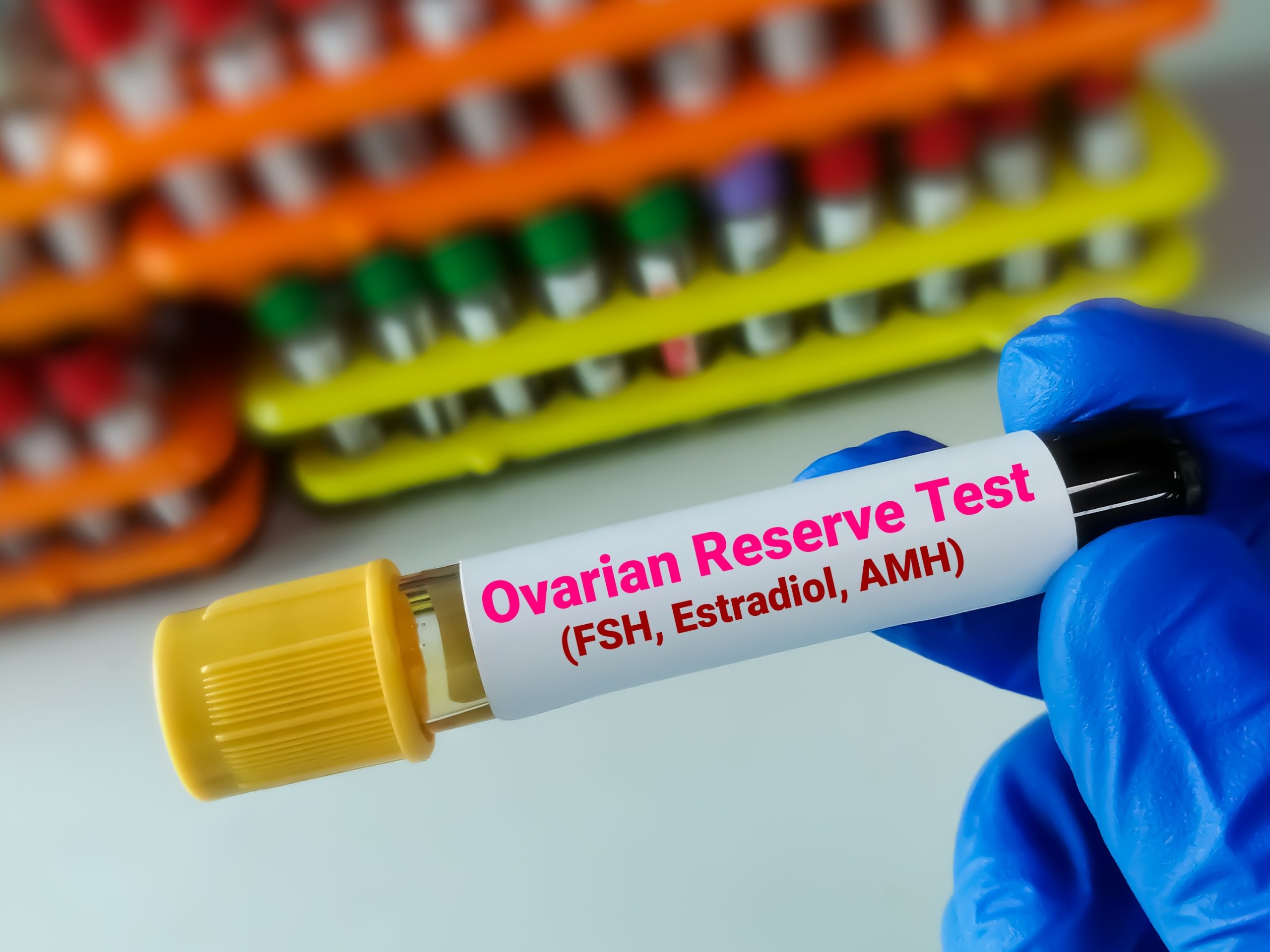
Ovarian reserve testing is one of the most useful tools in modern fertility care. Whether you’re trying to conceive naturally, preparing for IVF, or thinking about egg freezing, these tests help you understand how many eggs may still be available and how your ovaries might respond to treatment.
Many people feel overwhelmed by terms like AMH, AFC, and FSH, so this guide breaks everything down clearly, explains what each test measures, how results are interpreted, and how ovarian reserve relates to your overall fertility planning.
What Is Ovarian Reserve?
Ovarian reserve describes the egg quantity in your ovaries and how well the ovaries are likely to function during a fertility cycle.
Women are born with a fixed number of eggs, about 1 to 2 million. By puberty, only around 300,000 remain, and that number steadily declines with age. Egg quantity decreases over time, and egg quality tends to decline as well, especially after age 35.
Ovarian reserve testing does not predict your ability to get pregnant naturally, but it helps answer a few important questions:
- What is my timeline of reproductive potential?
- How will my ovaries respond to various fertility medications?
- How aggressive should I be in my fertility treatment plan?
- How many eggs am I likely to produce during IVF or egg freezing?
- Do my hormone levels suggest diminished ovarian reserve (DOR)?
Why Ovarian Reserve Matters
A lower ovarian reserve doesn’t mean you can’t get pregnant. Many people with diminished ovarian reserve conceive naturally or with assistance.
However, ovarian reserve can influence:
- response to stimulation medications
- Fertility treatment and IVF strategy and dosing
- expected egg freezing yield
- whether treatment should be started sooner
- whether donor eggs should be considered
Understanding this information early gives you more time and more options.
The 4 Key Ovarian Reserve Tests
The most common tests include:
- AMH (Anti-Müllerian Hormone)
- AFC (Antral Follicle Count)
- FSH (Follicle-Stimulating Hormone)
- Estradiol (E2)
Each test provides different information. Together, they create the clearest picture of the state of your ovarian reserve.
1. AMH (Anti-Müllerian Hormone)
AMH is currently the most widely used ovarian reserve marker. It is produced by small follicles inside the ovary. Higher AMH usually means more available follicles; lower AMH suggests fewer.
Typical AMH Ranges
|
AMH Level (ng/mL) |
What It May Indicate |
|
>3.0 |
High ovarian reserve (possible PCOS) |
|
1.0–3.0 |
Normal ovarian reserve |
|
0.5–1.0 |
Low ovarian reserve |
|
<0.5 |
Very low ovarian reserve |
Advantages
- can be tested any day of the cycle
- helpful for IVF response prediction
- useful for egg-freezing estimates
Limitations
- does not predict natural fertility
- does not measure egg quality
- can be affected by birth control, smoking, obesity, surgery, or other lifestyle factors
2. AFC (Antral Follicle Count)
AFC is performed by ultrasound early in the cycle (usually days 2–5). It measures small follicles (2–10 mm), each containing an immature egg.
Typical AFC Ranges
|
AFC Total |
Interpretation |
|
>20 |
High ovarian reserve (often seen in PCOS) |
|
10–20 |
Normal ovarian reserve |
|
6–9 |
Low ovarian reserve |
|
<6 |
Very low ovarian reserve |
AFC tends to correlate strongly with AMH and age.

3. FSH (Follicle-Stimulating Hormone)
FSH is drawn on cycle day 2–4. Higher FSH may mean the ovaries require more stimulation to produce an egg, suggesting lower reserve.
Typical FSH Interpretation
|
FSH Level (mIU/mL) |
Possible Meaning |
|
<9 |
Normal ovarian reserve |
|
9–12 |
Mildly reduced reserve |
|
>12 |
Low ovarian reserve |
|
>20 |
Very low reserve or likely poor response |
FSH can vary month to month and should be evaluated together with estradiol for the most accurate interpretation.
4. Estradiol (E2)
Estradiol is tested at the same time as FSH. If E2 is elevated (>60–80 pg/mL) it can artificially lower FSH, making ovarian reserve look better than it actually is.
This is why estradiol is essential for interpreting FSH accurately.
How These Tests Work Together
No single test predicts fertility. The most accurate view comes from AMH + AFC + FSH + Estradiol + age together.
For example:
- Low AMH + low AFC + high FSH → consistent with diminished ovarian reserve
- Normal AMH + high AFC +normal FSH → strong expected IVF response
- Low AMH but normal AFC →possible variation
All of these tests are pieces of a puzzle that clinicians put together to determine their best assessment of your needs.
Age: The Most Important Factor in Egg Quality
Even with normal AMH or AFC, age significantly impacts:
- egg quality
- chromosomal normalcy
- miscarriage risk
- IVF success rates
Egg quality tends to decline more rapidly after 35 and again after 40. Ovarian reserve doesn’t measure egg quality, but age still influences it strongly.
What Diminished Ovarian Reserve (DOR) Means
DOR means ovarian reserve markers are lower than expected for your age. Common causes include:
- natural aging
- genetic mutations and chromosomal abnormalities
- endometriosis
- autoimmune conditions
- prior ovarian surgery
- chemotherapy or radiation
- smoking and exposure to other toxins
DOR does not necessarily mean infertility. Many people with DOR conceive through intercourse as well as:
- IVF or mini-IVF
- natural cycle IVF
- donor eggs
- timed intercourse or IUI (depending on age)
A fertility specialist can help personalize next steps.
How Ovarian Reserve Testing Helps You Plan
If trying naturally
- useful for timing
- may identify early ovarian aging
For IVF
- predicts egg yield
- guides medication dosing
- helps select the IVF approach
- determines if donor eggs should be discussed
For Egg Freezing
- estimates cycles needed
- helps set realistic goals
For Family Planning
- clarifies whether to freeze eggs sooner rather than later
When to Consider Ovarian Reserve Testing
Testing may be helpful if you:
- are 35 or older
- have been trying 6+ months (age 35+) or 12+ months (<35)
- have irregular cycles or suspected PCOS
- have a family history of early menopause
- are planning IVF or egg freezing
- have had endometriosis or ovarian surgery
- have undergone chemotherapy or radiation
AMH can be drawn anytime, but FSH and estradiol require early-cycle timing.
Frequently Asked Questions
Does a low AMH mean I can’t get pregnant?
No. AMH doesn’t predict natural pregnancy. It only reflects egg quantity.
Can birth control affect results?
Yes. Levels may appear lower, especially AMH and AFC, and may rebound after stopping.
What’s a “good” AMH for IVF?
Many clinics use ≥1.0 ng/mL as a favorable marker. But it is important to remember that AMH is just one of the pieces to the fertility puzzel. Other factors need to be considered, and many people with lower levels still do well.
Can ovarian reserve be improved?
Egg quantity cannot technically be increased, but markers for ovarian reserve can fluctuate from month to month. Diet and lifestyle changes can improve the environment that a woman’s eggs live within.
How often should I test?
Once a year is reasonable unless you are undergoing fertility treatment or monitoring changes.
Ovarian Reserve Testing: The Bottom Line
Ovarian reserve testing is one of the most helpful ways to understand your reproductive timeline and plan ahead. While these tests cannot measure egg quality or guarantee pregnancy, they provide valuable information about:
- How urgently you should begin family planning, fertility preservation, or fertility treatment
- What fertility treatments are a reasonable option to pursue
- how many eggs you may produce
- how you might respond to IVF
- what options may give you the highest chance of success
Your numbers should always be interpreted in the context of your age, health history, and individual goals. A fertility specialist can help you interpret your results and develop a plan to support your next steps with clarity and confidence.