Neupogen for IVF: How G-CSF May Support Implantation and Improve IVF Outcomes

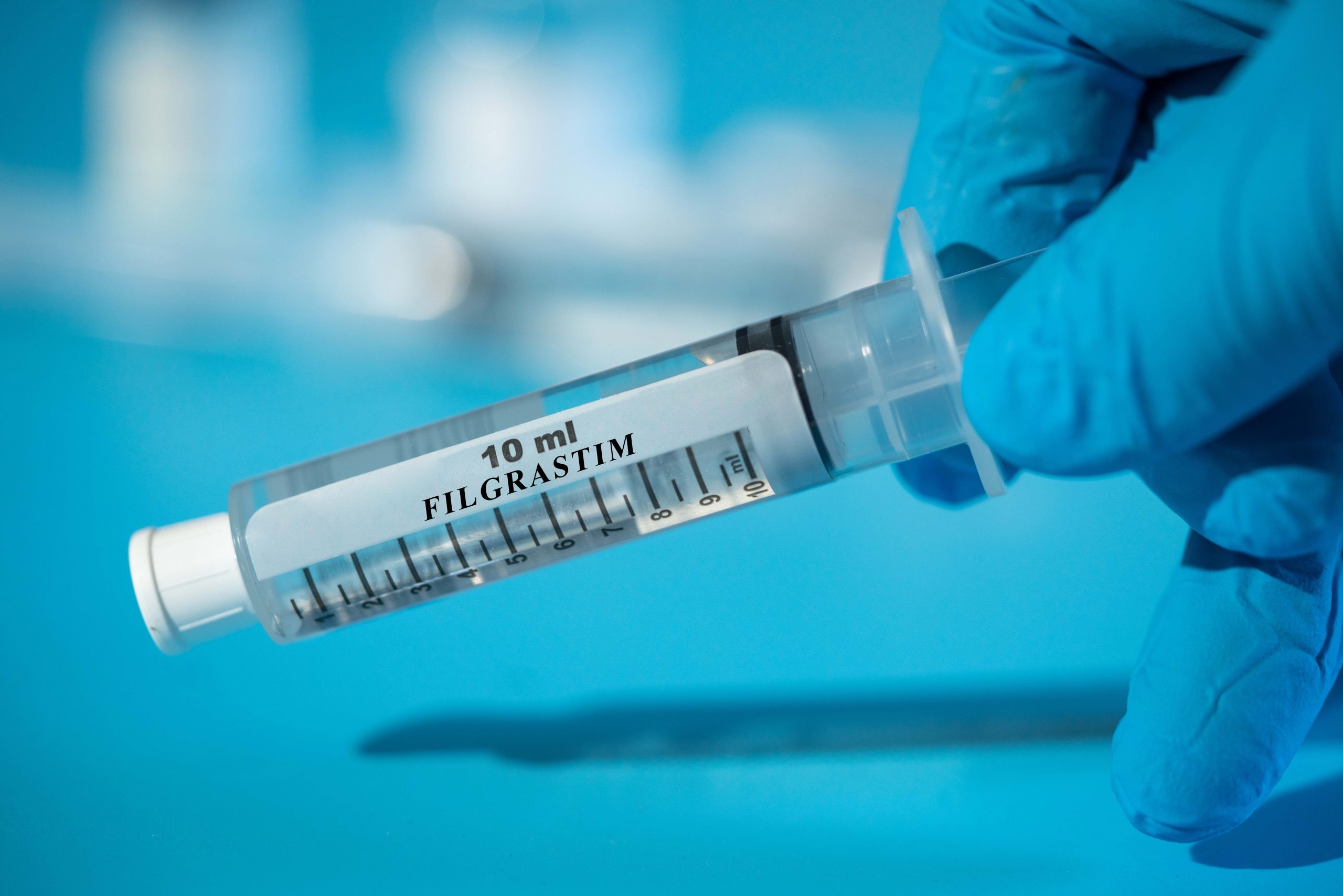
Neupogen (filgrastim) is a medication used in select IVF treatment plans to help support embryo implantation, particularly for patients with recurrent implantation failure (RIF), thin endometrium, recurrent pregnancy loss, or suspected immune-related fertility issues.
Although not widely used in standard IVF practice, Neupogen is more commonly incorporated into protocols at fertility centers with advanced expertise in reproductive immunology. In these settings, it may be part of a personalized approach to improving uterine receptivity and moderating inflammatory immune responses that can interfere with implantation.
While research is still evolving, both clinical experience and current evidence suggest that Neupogen may offer meaningful benefits for carefully selected patients.
Neupogen for IVF: At a Glance
- What it is: Neupogen (filgrastim) is a medication sometimes used in IVF to help create a more supportive environment for embryo implantation.
- Who it may help: Patients with recurrent implantation failure (RIF), thin endometrium, recurrent pregnancy loss, or suspected immune-related implantation issues.
- How it’s used: As a subcutaneous injection or an intrauterine (uterine) wash, typically close to embryo transfer.
- What the research shows: Results are mixed. Some studies show improved pregnancy outcomes in select patients; others show no benefit.
- Is it routine? No. Neupogen is generally used in specialized, immune-informed IVF protocols.
- Key takeaway: Neupogen may help certain patients when immune or endometrial factors are central to implantation challenges.
What Is Neupogen?
Neupogen (filgrastim) is a medication sometimes used in IVF to help create a more supportive environment for embryo implantation in certain patients.
From a medical standpoint, Neupogen is a synthetic form of granulocyte colony-stimulating factor (G-CSF), a naturally occurring protein that stimulates the production of neutrophils, a type of white blood cell.
In fertility treatment, Neupogen is not used for infection prevention. Instead, its potential value lies in its ability to influence the immunologic and cellular environment of the uterus, which may support embryo implantation.
How Neupogen May Support IVF
Research suggests that Neupogen may support implantation through several mechanisms.
Immune Modulation
G-CSF may help regulate uterine immune activity and reduce excessive inflammatory responses that can disrupt implantation.
Improved Endometrial Receptivity
Studies suggest G-CSF may enhance the endometrium’s ability to respond appropriately to hormonal and cellular signaling during the implantation window.
Enhanced Embryo–Endometrium Communication
G-CSF appears to play a role in molecular signaling between the embryo and uterine lining during early implantation.¹⁶
Regulation of NK Cell Activity
In individuals with elevated or dysregulated natural killer (NK) cell activity or autoimmune tendencies, G-CSF may help moderate immune responses that interfere with early pregnancy.
Clinics specializing in immune-informed IVF often use Neupogen selectively, based on treatment history, diagnostic patterns, and response to prior cycles.
How Neupogen Is Administered
Neupogen may be used in IVF cycles in two primary ways.
Subcutaneous Injection
A small injection under the skin, typically started during ovarian stimulation or early luteal support.
Intrauterine (Uterine) Wash
A small infusion of G-CSF directly into the uterus, usually 24–72 hours before embryo transfer, is intended to enhance endometrial receptivity.
The method used depends on diagnosis and individualized treatment planning.
What the Research Shows
Overall, evidence regarding Neupogen in IVF is promising but mixed, reflecting the complexity of immune-related infertility.
Recurrent Implantation Failure (RIF)
A systematic review and meta-analysis found that G-CSF administration,—either subcutaneous or intrauterine,—was associated with improved clinical pregnancy rates in patients with recurrent implantation failure.¹ However, individual randomized controlled trials have shown mixed results. One RCT found no significant improvement in endometrial thickness, clinical pregnancy rates, or live birth rates in RIF patients receiving intrauterine G-CSF, highlighting the importance of careful patient selection.
Recurrent Pregnancy Loss (RPL)
A randomized controlled trial demonstrated higher ongoing pregnancy rates in patients with unexplained recurrent pregnancy loss treated with G-CSF.
Additional reviews have reported improved pregnancy outcomes in some individuals with recurrent miscarriage.
Thin Endometrium
A prospective pilot study showed that intrauterine G-CSF increased endometrial thickness in patients whose lining was unresponsive to standard treatments.
Other analyses suggest pregnancy rates may improve even when endometrial thickness does not significantly increase.
Who May Benefit From Neupogen?
Neupogen is generally considered for individuals with the following clinical histories.
Recurrent Implantation Failure (RIF)
Particularly after multiple transfers of high-quality or genetically tested (PGT) embryos.¹
Thin Endometrium
Especially when the lining remains below ~7 mm, despite conventional medical therapies.²⁵
Suspected Immune-Related Implantation Problems
Such as elevated NK cell activity, autoimmune markers, or inflammatory dysregulation.¹⁶⁸
Because immune involvement is difficult to measure directly, many treatment decisions are based on patterns of response rather than a single diagnostic test.¹⁶
Recurrent Pregnancy Loss
When immune factors are suspected contributors to early pregnancy loss.³⁴
Neupogen is not intended for routine IVF use, but rather for carefully selected scenarios where immune or endometrial factors are central to treatment planning.¹²
Risks and Side Effects
Neupogen is generally well tolerated. Reported side effects include rare mild bone or muscle pain, fatigue or headache, temporary flu-like symptoms, and rare allergic reactions.
Limitations of Neupogen
Neupogen cannot improve egg or embryo quality, reverse age-related fertility decline, replace standard hormonal or structural treatments, or guarantee implantation or pregnancy.
Its benefits are specific to immune and endometrial support and apply only to appropriate candidates.
When Neupogen Is Used During IVF
Timing depends on the method of administration. Uterine washes are typically performed 24–72 hours before embryo transfer,¹² while subcutaneous injections may be used during stimulation or the early luteal phase.¹³ Protocols are individualized based on clinical history and prior cycle outcomes.
FAQ
Does Neupogen improve IVF success rates?
In select groups, such as patients with recurrent implantation failure, recurrent pregnancy loss, thin endometrium, or immune-related fertility challenges, studies show improved outcomes. It is not beneficial for all IVF patients.

Why don’t most clinics use Neupogen?
Its use typically requires specialized knowledge of reproductive immunology, which is not a primary focus of many standard IVF practices.
Is Neupogen safe during early pregnancy?
Available evidence suggests G-CSF is generally safe when used around implantation. Continued use depends on individualized protocols.
Is a Neupogen wash better than injections?
Neither method is universally superior. Effectiveness depends on diagnosis, timing, and individual response.¹²
Neupogen for IVF: The Bottom Line
Neupogen is not a routine part of IVF treatment, but it is a well-recognized option in immune-informed fertility care. Research suggests it may improve implantation and pregnancy outcomes for certain patients, particularly those with recurrent implantation failure, recurrent pregnancy loss, or thin endometrium, while showing no clear benefit for others.
Because immune involvement in implantation is complex and difficult to measure directly, Neupogen is most effective when used selectively and as part of a personalized treatment plan. For the right candidates, it may offer meaningful support during implantation; for others, it is unlikely to change outcomes.