Can You Do IVF If Your Tubes Are Tied? IVF After Tubal Ligation Explained
This article presents general statistics about IVF success rates to thoroughly discuss and elaborate on IVF after tubal ligation . The success rates presented are derived from relevant and cited journal articles and are not representative of CNY Fertility’s own clinic data. To view CNY Fertility data, please visit the SART or CDC website.

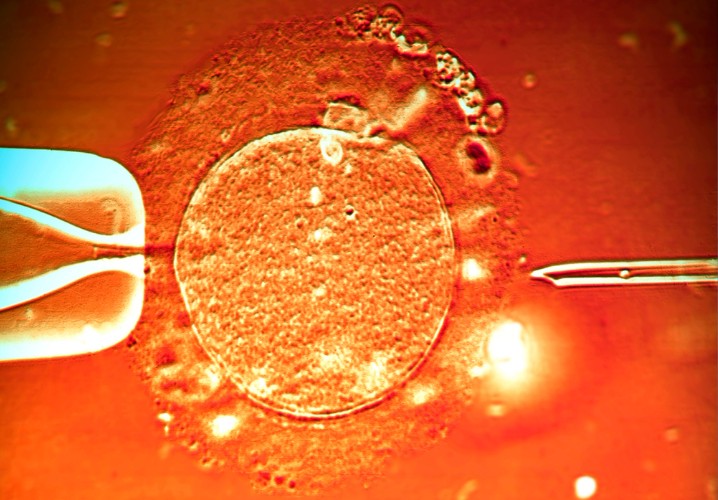
Quick answer: Yes. You can do IVF if your tubes are tied because IVF bypasses the fallopian tubes entirely. Eggs are retrieved from the ovaries, fertilized in the lab, and embryos are placed directly into the uterus.
Tubal ligation does not prevent you from undergoing in vitro fertilization (IVF), and for many patients, IVF is actually the most effective path to pregnancy after having their tubes tied.
This article explains how IVF works after tubal ligation, why it’s possible, what your options are, and what to expect if you’re considering treatment.
What Does It Mean to Have Your Tubes Tied?
Tubal ligation is a permanent (unless surgically reversed) form of birth control in which the fallopian tubes are cut, sealed, clipped, or blocked to prevent sperm from reaching the egg.
Because fertilization normally occurs in the fallopian tubes, tubal ligation prevents pregnancy through natural conception.
Importantly, tubal ligation does not affect the ovaries’ ability to produce, egg quality, or hormone production. Ovulation still occurs, and the uterus remains capable of carrying a pregnancy.
Why IVF is a Standard Treatment if Your Tubes Are Tied
IVF completely bypasses the fallopian tubes. For this reason, IVF is the standard treatment for women with a history of tubal ligation and where tubal reversal is not appropriate.
During the IVF process, eggs are retrieved directly from the ovaries, fertilized in the laboratory, and the resulting embryo is transferred directly into the uterus.
Because the fallopian tubes are not involved at any stage, tubal ligation does not interfere with the IVF process.
For this reason, IVF is widely recommended for patients who want to conceive after tubal ligation.
IVF After Tubal Ligation: Step by Step
For patients with their tubes tied, the IVF process follows the same steps as standard IVF.
The process typically includes
- Ovarian stimulation with injectable fertility medications
- Egg retrieval from the ovaries
- Fertilization of eggs with sperm in the laboratory
- Embryo transfer directly into the uterus
Because IVF does not rely on the fallopian tubes, tubal ligation does not change how these steps are performed.
IVF vs Tubal Reversal: Understanding Your Options
Some patients consider tubal ligation reversal as an alternative to IVF. While reversal surgery can be an option for select individuals, IVF is often the preferred approach.
- IVF may be recommended over tubal reversal when
- The fallopian tubes were extensively damaged or partially removed
- The ligation method involved cauterization or large segment removal
- Time is a factor due to age or ovarian reserve
- There are additional fertility factors, such as male factor infertility
- There is need or preference for genetic testing of embryos
- You want to avoid abdominal surgery
Tubal reversal requires surgery and recovery time, and pregnancy is not guaranteed even if the tubes are successfully reconnected.
Does Having Your Tubes Tied Affect IVF Success?
Tubal ligation itself does not reduce IVF success rates.
IVF outcomes are influenced primarily by:
- Age
- Egg quality
- Ovarian reserve
- Sperm quality
- Uterine health
Because the ovaries continue to function normally after tubal ligation, ovarian stimulation and egg retrieval proceed the same way as they would for someone without prior tubal surgery.
Do You Need Your Tubes Removed Before IVF?
In most cases, no.
However, if a patient has a hydrosalpinx, which is a fluid-filled, damaged fallopian tube, removal or blockage of the affected tube may be recommended before embryo transfer. Hydrosalpinx fluid can reduce implantation rates if left untreated.
This recommendation is based on tubal damage, not on tubal ligation itself.
Emotional Considerations After Tubal Ligation
Many people pursue IVF years after tubal ligation due to life changes, new partnerships, or shifts in family goals. It’s common to experience mixed emotions, including grief, regret, or renewed hope.
Seeking fertility care after sterilization is more common than many people realize, and support is available throughout the process.
IVF After Tubal Ligation at CNY Fertility
At CNY Fertility, IVF after tubal ligation is approached with the same individualized care used for all patients. Treatment plans are based on ovarian reserve, age, medical history, and personal goals.
Because IVF bypasses the fallopian tubes entirely, tubal ligation does not limit eligibility for treatment or access to care.
If you’re considering IVF after tubal ligation, schedule an appointment to speak with a fertility specialist.
What Does IVF With Your Tubes Tied Cost?
In the United States, IVF costs, on average, $20,000 per cycle. The cost of IVF is the same, whether your tubes are tied or not.
Keep in mind you may need to do more than one IVF cycle to get pregnant.
At one-third the cost of the national average, CNY Fertility provides a much more affordable option, costing $6,300 for an IVF cycle, including medications.
If you choose to have a tubal ligation reversal through CNY Fertility, we offer further discounts for subsequent IVF cycles in the event that you are unable to get pregnant naturally within a year of the tubal reversal. In this case, IVF can be an effective “plan B” if needed.
The Takeaway
Yes, you can do IVF if your tubes are tied.
Tubal ligation does not affect the ovaries or uterus, and IVF bypasses the fallopian tubes altogether. For many patients, IVF is the most effective and direct path to pregnancy after tubal ligation.
A fertility consultation can help clarify whether IVF, tubal ligation reversal, or another approach best fits your situation.
Frequently Asked Questions About IVF After Tubal Ligation
Can you do IVF if your tubes are tied?
Yes. You can do IVF if your tubes are tied because IVF bypasses the fallopian tubes entirely. Eggs are retrieved directly from the ovaries, fertilized in the lab, and embryos are transferred into the uterus without using the tubes.
Is IVF the only way to get pregnant after a tubal ligation?
The two main options for pregnancy after tubal ligation are IVF and tubal reversal surgery. IVF is often preferred because it avoids surgery, works regardless of tubal damage, and generally carries a lower risk of ectopic pregnancy.
Does having your tubes tied lower IVF success rates?
No. Tubal ligation does not lower IVF success rates. IVF outcomes depend on factors such as age, egg quality, ovarian reserve, sperm quality, and uterine health, not on the condition of the fallopian tubes.
Is IVF safer than tubal reversal?
IVF avoids abdominal surgery and has a lower risk of ectopic pregnancy compared with tubal reversal. Tubal reversal surgery can increase the risk of ectopic pregnancy due to scarring or incomplete tubal healing.
Do you need your tubes removed before IVF?
Usually no. However, if a hydrosalpinx (a fluid-filled damaged tube) is present, removal or blockage of the affected tube may be recommended before embryo transfer to improve implantation rates.