Frozen Embryo Transfer Timeline: What to Expect Step by Step

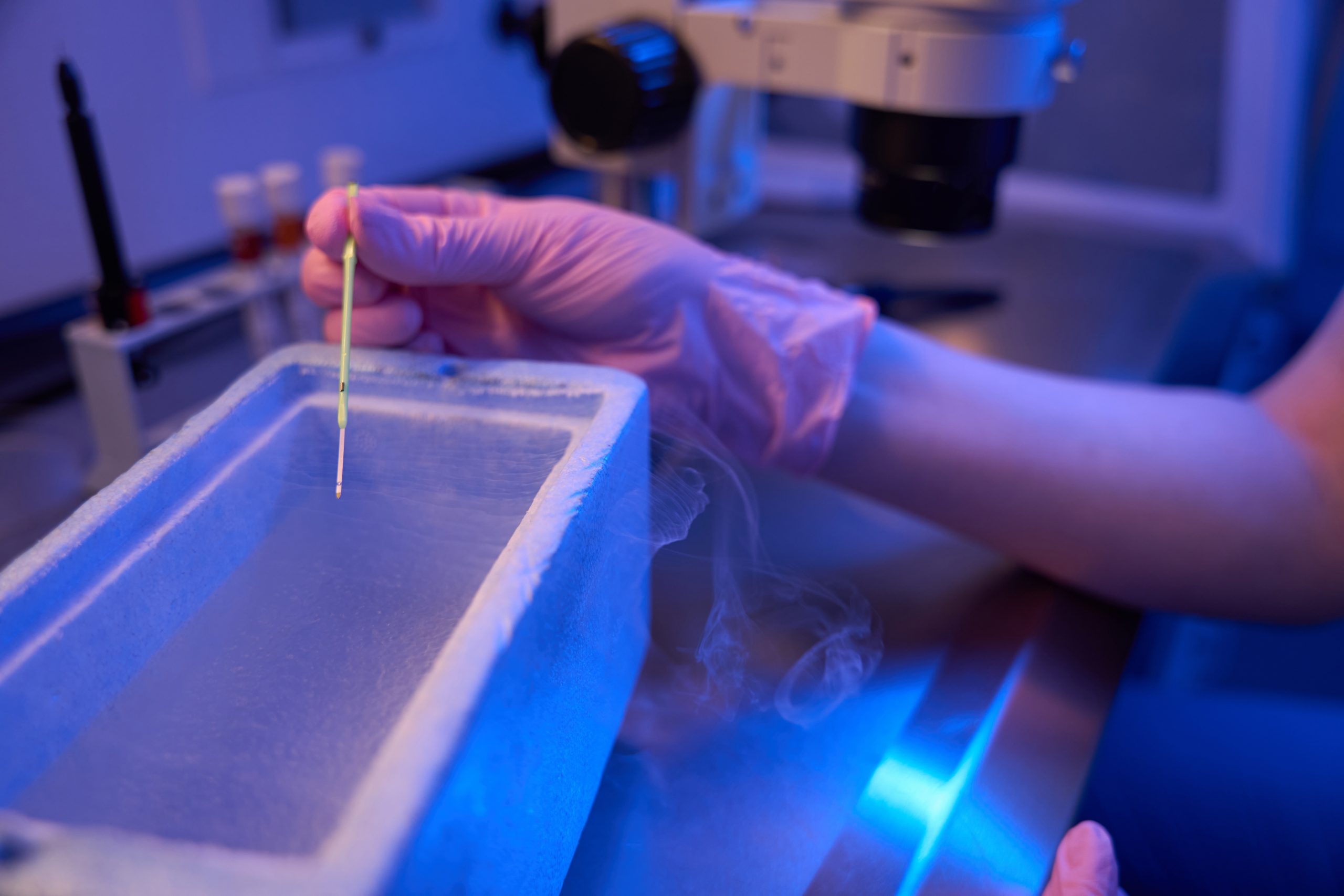
Every frozen embryo transfer (FET) cycle follows a general timeline designed to prepare the uterine lining for successful implantation. Understanding this timeline can help you feel more confident and prepared as you move through the IVF process.
In this guide we’ll take a detailed look at the timeline of the three most common FET protocols, including:
- Medicated FET timeline
- Natural FET timeline
- Modified natural FET timeline
With these key points in mind, let’s look at how a typical FET timeline unfolds.
PLEASE NOTE, THESE ARE ONLY EXAMPLES. ALWAYS FOLLOW THE INSTRUCTIONS PROVIDED BY YOUR CARE TEAM.
FET Timeline at a Glance
Nearly all FET cycles follow the same basic process:
- Menstrual cycle begins (you will be seen in office between cycle days 2-5)
- Treatment cycle begins (between cycle days 2-5)
- Lining preparation
- Timed embryo transfer
- Post-transfer support and pregnancy test
The exact timing depends on whether the cycle is medicated, natural, or modified natural and your individual needs.
Medicated FET Timeline
A medicated FET uses estrogen and progesterone to prepare the uterine lining.
A medicated FET takes –approximately 16 days and involves taking estrogen and progesterone . Below is a timeline for a typical medicated FET.
Please note that the days in this and all other timelines refer to the day of the “treatment cycle” and that “day 1” of the treatment cycle is usually on day 2–5 of your menstrual cycle.
| Day | Medications | Office Visit | What’s Happening |
| Day 1 | Estrogen | Baseline ultrasound & bloodwork | Treatment cycle begins. A baseline scan and labs confirm it’s safe to start estrogen. Estrogen begins to prepare the uterine lining. |
| Day 2-9 | Estrogen | – | Estrogen continues to be taken daily to thicken and stabilize the endometrium. |
| Day 10 | Estrogen | Monitoring ultrasound & bloodwork | Lining check + hormone labs to confirm the endometrium is ready for progesterone start. |
| Day 11-15 | Estrogen + Progesterone | – | Progesterone is started based on embryo stage (3 days before cleavage-stage transfer or 5 days before blastocyst transfer). Lining becomes receptive. |
| Day 16 | Estrogen + Progesterone | Embryo Transfer | Embryo is thawed and transferred into the uterus during a quick, painless procedure. |
After the transfer:
Midway bloods to ensure hormones are adequate to support pregnancy, and a pregnancy test is performed 10–14 days after transfer. If pregnant, progesterone support typically continues until 8–12 weeks.
Natural FET Timeline
A natural FET relies on your body’s own menstrual cycle and hormones to develop a healthy uterine lining and monitoring to ensure proper timing.
“Day 1” in the chart below refers to the day of your baseline monitoring appointment—usually menstrual cycle days 2–4, after your period begins.
| Day | Medications | Office Visit | What’s Happening |
|---|---|---|---|
| Day 1 (Baseline) | None | Baseline ultrasound & bloodwork | Confirms that the uterus and ovaries are ready to begin monitoring. Natural cycle timing starts here (typically menstrual cycle days 2–4). |
| Days 2–9 | None | — | Your cycle progresses naturally. No medications are taken. |
| Day 10 | None | Monitoring ultrasound & bloodwork | Follicle growth, lining thickness, and hormone levels are checked. |
| Days 11–14 | None | Additional monitoring as needed | Continued monitoring to detect LH surge and confirm ovulation timing. |
| Ovulation Day | None | — | Ovulation is identified via a urine test or bloodwork. Embryo transfer is scheduled. |
| Transfer Day | None or Progesterone (depending on clinic) | Embryo Transfer | Transfer occurs 3 days after ovulation for cleavage-stage embryos or 5 days after ovulation for blastocysts. |
After the transfer:
Mid-way bloods to ensure hormones are adequate to support pregnancy, and a pregnancy test is performed 10–14 days after transfer

Modified Natural FET Timeline
A modified natural FET follows your body’s natural cycle but adds minimal medication—a trigger shot and often letrozole—to better control ovulation timing.
Below is a timeline of a typical modified natural-cycle FET. Please note that “Day 1” refers to the day of your baseline monitoring appointment (usually menstrual cycle days 2–4).
If letrozole is used in your protocol, it is typically taken on Days 1–5 of the treatment cycle.
| Day | Medications | Office Visit | What’s Happening |
|---|---|---|---|
| Day 1 (Baseline) | Letrozole may begin today | Baseline ultrasound & bloodwork | Confirms the uterus and ovaries are ready for monitoring. Letrozole is started on Day 1 if used. |
| Days 2–5 | Letrozole (if prescribed) | — | Letrozole supports follicle growth and helps prepare the uterine lining. |
| Days 6–9 | None | — | Follicle continues to grow naturally after letrozole (if used). No estrogen is given in modified natural cycles. |
| Day 10 | None | Monitoring ultrasound & bloodwork | Follicle size, lining thickness, and hormone levels are checked. Additional monitoring is scheduled. |
| Days 11–14 | None | Additional monitoring as needed | Continued imaging and bloodwork to track follicle maturity and hormone patterns. |
| Trigger Day | Trigger shot (hCG, Lupron, or both) | — | A trigger shot is given when the follicle reaches an appropriate size, helping to precisely time ovulation. |
| Transfer Day | Progesterone (varies by clinic) | Embryo Transfer | Embryo is transferred 3–5 days after ovulation/trigger depending on embryo stage. |
After the transfer:
Mid-way bloods to ensure hormones are adequate to support pregnancy, and a pregnancy test is performed 10–14 days after transfer. If pregnant, progesterone support typically continues until 8–12 weeks.
FET Timeline: The Takeaway
All FET cycles follow a predictable structure and generally span 2–3 weeks, though exact timing varies based on your protocol and how your uterine lining -responds to medications. Understanding these general timelines can help you feel more prepared and confident as you move through treatment.