Fertility Supplements & Vitamins For Men and Women: Evidence Based Review
We discuss various nutrients and dietary supplements in this article that may or may not be helpful. If you purchase recommended products, services, or treatments, it may benefit CNY Fertility financially. Read more about our financial relationships here. The supplements discussed in this article are not intended to treat, cure, or prevent any disease. If you are pregnant, take any medications, or have been diagnosed with a medical condition, consult with a healthcare provider before taking any dietary supplement.
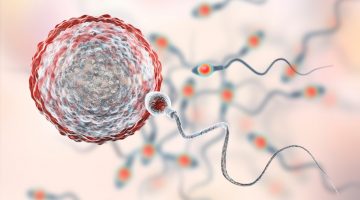
Sperm and egg cells take about 90 days to develop before they can be ejaculated or ovulated, and that development depends on energy production, antioxidant protection, and a steady supply of micronutrients.
A fertility-friendly diet, avoiding smoking, limiting alcohol, and exercising appropriately can be a strong foundation. But fertility supplements can help fill nutritional gaps, support egg and sperm development, and provide targeted nutrients that can be difficult to obtain consistently from diet alone.
In this guide, we cover the most-studied vitamins, minerals, antioxidants, amino acids, and herbs for fertility, with dedicated sections for male fertility supplements and for fertility supplements for women.
Quick Picks: Best Fertility Supplements (By Goal)
This is the fast, practical version of the full guide below. If you want a deeper explanation and the studies behind each supplement, scroll down.
Best fertility supplements for men (sperm count, motility, and morphology)
- CoQ10 (ubiquinone/ubiquinol)
- Omega-3/fish oil
- Carnitines (L-carnitine, acetyl-L-carnitine)
- Vitamin D (especially if deficient)
- Ashwagandha (male-focused herb with semen parameter data)
Best fertility supplements for women (egg health, ovulation, preconception)
- A high-quality prenatal with folate
- CoQ10 (egg mitochondrial function and ovarian response)
- Vitamin D (especially if deficient)
- Omega-3/fish oil (inflammation, reproductive outcomes)
- Inositol (especially for PCOS, ovulation support)
| Supplement | Best For Men | Best For Women | Evidence Strength |
|---|---|---|---|
| CoQ10 | Improves sperm count, motility, morphology, and antioxidant capacity | Improves egg quality, ovarian response, fertilization and live birth rates | Strong – multiple RCTs and meta-analyses |
| Omega-3 / Fish Oil | Supports sperm concentration, motility, morphology and inflammation control | Supports egg quality, implantation rates, ovarian aging and fetal development | Strong – cohort studies and systematic reviews |
| Vitamin D | Improves sperm motility, testosterone and pregnancy rates | Associated with higher IVF pregnancy rates and embryo quality when deficient | Moderate – mixed RCT and observational data |
| Inositol (Myo-inositol) | Improves sperm motility and semen parameters in select populations | Supports ovulation, insulin sensitivity, egg quality and PCOS fertility | Strong – meta-analyses and RCTs |
| Carnitine (ALC / L-carnitine) | Improves sperm motility and mitochondrial energy metabolism | May support ovulation and endometrial health | Moderate – controlled clinical trials |
| Ashwagandha | Improves sperm count, motility, testosterone and stress markers | Limited female-specific fertility evidence | Moderate – controlled human trials |
| Selenium | Improves sperm motility, morphology and pregnancy rates | Supports pregnancy and fetal development | Moderate – RCTs and reviews |
| Zinc | Supports sperm DNA synthesis and testosterone production | General reproductive hormone support | Mixed – large RCTs show variable benefit |
| Folate (5-MTHF) | Supports sperm DNA integrity and count | Improves oocyte quality, implantation and live birth rates | Strong – cohort studies and ART outcome studies |
| Vitamin C | Reduces oxidative stress, improves sperm count and motility | Limited fertility-specific data | Moderate – small RCTs |
| Vitamin E | Improves sperm motility and DNA integrity | Supports embryo implantation and oxidative balance | Moderate – RCTs and reviews |
| Lycopene | Improves sperm count, motility and morphology | Minimal data | Moderate – small controlled studies |
| PQQ | Supports mitochondrial biogenesis and cellular energy | Theoretical egg quality support | Emerging – mechanistic and animal data |
| ALA (Alpha-Lipoic Acid) | Improves sperm quality and oxidative stress markers | Improves egg maturity and embryo development | Moderate – clinical trials and systematic review |
| Choline | Supports fetal brain development | Essential during preconception and pregnancy | Strong – nutritional guidelines |
| Iodine | Supports thyroid function and sperm health indirectly | Supports ovulation, implantation, and fetal neurodevelopment | Strong – population studies |

When Should You Take Fertility Supplements?
Sperm development and maturation take roughly 2–3 months, which is why many fertility specialists recommend taking male fertility supplements for at least 90 days.
For women, supplementation is often recommended for at least 90 days before trying to conceive to ensure nutrient stores are stable at the time of conception, particularly for folate and other pregnancy-critical micronutrients.
What Are Fertility Supplements?
Fertility supplements are over-the-counter vitamins, minerals, antioxidants, amino acids, herbs, or nutrient blends formulated to support reproductive health.
They may be designed to support sperm parameters (count, motility, morphology, DNA integrity), egg quality and maturation, ovulation, endometrial lining development, hormone support, immune health, and energy production.
Research suggests certain micronutrients may support:
- sperm count
- sperm motility
- sperm morphology
- sperm DNA integrity
- egg quality and maturation
- ovulation and cycle regulation
- pregnancy rates (in some populations and contexts)

Who Should Take Fertility Supplements?
Men and women looking to support or optimize fertility may consider supplementation, especially if they:
- are trying to conceive in the next 3–6 months
- have known nutrient deficiencies (common example: vitamin D)
- have PCOS or insulin resistance (inositol evidence base)
- have semen parameter concerns (antioxidants, CoQ10, carnitines)
- are over age 35 and focused on egg quality support (CoQ10, prenatal foundations)
Supplements can interact with medications and are not appropriate for everyone, so it’s important to speak with a clinician if you have medical conditions or take prescription medications.
Male Fertility Supplements (What Works Best for Sperm?)
Many male fertility supplements focus on antioxidant protection and mitochondrial energy support because sperm are vulnerable to oxidative stress and require energy for motility.
CoQ10 for Male Fertility
A 2019 study of 65 men found that CoQ10 supplementation improved sperm concentration, progressive motility, total motility, and morphology.
| Measurement | Before 200 mg | After 200 mg | Before 400 mg | After 400 mg |
|---|---|---|---|---|
| Concentration (million/mL) | 8.22 | 12.53 | 7.58 | 12.33 |
| Progressive motility (%) | 16.54 | 22.58 | 14.22 | 26.1 |
| Total motility (%) | 25.68 | 29.96 | 23.46 | 34.82 |
| Normal morphology (%) | 22.17 | 23.64 | 24.64 | 27.41 |
Additional studies suggest CoQ10 may support sperm parameters, though outcomes vary by population and baseline fertility status.
Omega-3/Fish Oil for Male Fertility
Higher omega-3 levels have been associated with healthier semen parameters in observational research.
A systematic review suggests omega-3 supplementation may improve sperm concentration and motility in some studies.
Carnitine for Male Fertility
Carnitine plays a role in energy production and is found in high concentrations in the male reproductive tract.
Clinical studies suggest L-carnitine and acetyl-L-carnitine can improve sperm motility, especially in men with asthenozoospermia.
Vitamin D for Male Fertility
Low vitamin D levels have been associated with impaired semen quality in multiple studies.
A randomized clinical trial reported that vitamin D supplementation in men was associated with improved reproductive outcomes, including live birth in couples, though effects on semen parameters are not consistent across all studies.
Ashwagandha for Male Fertility
A placebo-controlled trial found that ashwagandha supplementation improved sperm count, motility, semen volume, and testosterone levels in oligospermic males.
Shilajit for Male Fertility
Evidence is limited, but one study reported improvements in sperm count and motility after 90 days of supplementation.
Zinc for Male Fertility
Many observational studies and biological reviews show that zinc plays a crucial role in spermatogenesis and seminal plasma function, and that lower zinc levels are often found in men with poorer semen quality.
Seminal zinc is involved in DNA transcription, antioxidant effects, and sperm membrane stability, and some meta-analyses report positive associations between seminal zinc levels and sperm parameters such as count, motility, and morphology.
However, a large randomized trial found no improvement in semen quality or live birth with folic acid and zinc supplementation.
Selenium for Male Fertility
A trial reported that selenium with vitamin E improved semen parameters in a portion of participants, and some spontaneous pregnancies occurred.
Lycopene for Male Fertility
Small studies suggest lycopene supplementation may improve sperm count, motility, and morphology.
Vitamin C and Vitamin E for Male Fertility
Oxidative stress is strongly linked with male infertility, making antioxidants a common intervention.
Vitamin C supplementation improved semen parameters in a small study, and vitamin E has been associated with improvements in oxidative stress-related infertility in some studies.
Vitamin B12 for Male Fertility
Vitamin B12 has been associated with improved semen quality in some studies and may support sperm DNA integrity.
Alpha Lipoic Acid for Male Fertility
A randomized placebo-controlled trial found alpha-lipoic acid improved sperm counts and motility in infertile men.
Female Fertility Supplements (Egg Quality, Ovulation, and Preconception)
Female fertility supplements typically focus on:
- prenatal nutrient foundations (especially folate)
- mitochondrial energy support (CoQ10)
- ovulation and metabolic support (inositol in PCOS)
- vitamin D sufficiency
- Omega-3 support for inflammation and reproductive outcomes
CoQ10 for Female Fertility
Suboptimal CoQ10 levels have been associated with age-related declines in oocyte quantity and quality, and supplementation has been studied as a strategy to support ovarian response.
A randomized controlled trial in low-prognosis young women with diminished ovarian reserve found that 600 mg of CoQ10 for 60 days improved ovarian response and embryo quality.
Vitamin D for Female Fertility
Vitamin D receptors and enzymes are present in reproductive tissues, and vitamin D status has been studied in relation to IVF outcomes and fertility.
Some studies report higher pregnancy rates in women with sufficient vitamin D levels, while others show minimal effect, suggesting outcomes may depend on baseline deficiency and individual factors.
Omega-3/Fish Oil for Female Fertility
Omega-3s may support reproductive outcomes through anti-inflammatory mechanisms and have been associated with improved assisted reproduction outcomes in observational studies.
Inositol for Female Fertility
Inositol has a strong evidence base for PCOS-related ovulatory dysfunction and insulin resistance.
A meta-analysis concluded that inositol supplementation was associated with improved clinical pregnancy rates in women undergoing ovulation induction and ART.
Folate (Folate vs Folic Acid)
Folate supports DNA synthesis and early fetal neural tube development. It is recommended for women planning pregnancy to start at least one month before conception and continue through pregnancy.
Research in ART populations suggests higher folate intake and blood levels are associated with improved reproductive outcomes including live birth.
Choline for Pregnancy
Choline is increasingly recognized as important for fetal development, and intake is commonly below recommended levels.
Iron and Ovulation
Iron has been associated with ovulatory infertility risk, and adequate intake is important for pregnancy physiology.
Iodine and Fertility
Iodine is essential for thyroid hormone production, and low iodine status has been associated with longer time to pregnancy in cohort research.
Alpha Lipoic Acid for Female Fertility
A Fertility and Sterility study found ALA supplementation improved egg and embryo measures in aging women undergoing IVF, with higher pregnancy rates that did not reach statistical significance.
Vitamin E for Female Fertility
Vitamin E has antioxidant roles in reproductive health, and oxidative stress is implicated in fertilization and implantation pathways.
PQQ for Fertility (Emerging, Limited Direct Evidence)
PQQ has been studied for mitochondrial biogenesis and antioxidant properties, but there are not robust clinical studies directly evaluating PQQ supplementation for fertility outcomes. The rationale is theoretical and based on mitochondrial effects.
What to Know Before Choosing a Fertility Supplement
Not all fertility supplements are made equally. Because dietary supplements do not undergo the same pre-market approval process as prescription medications, product quality can vary widely.
Things to consider when selecting a supplement include:
- third-party testing (if available)
- transparent labeling (exact doses, not only proprietary blends)
- avoiding megadoses unless directed by a clinician
- talking with your clinician if you take medications or have thyroid, autoimmune, liver, or kidney conditions
CNY Fertility Supplement Recommendations
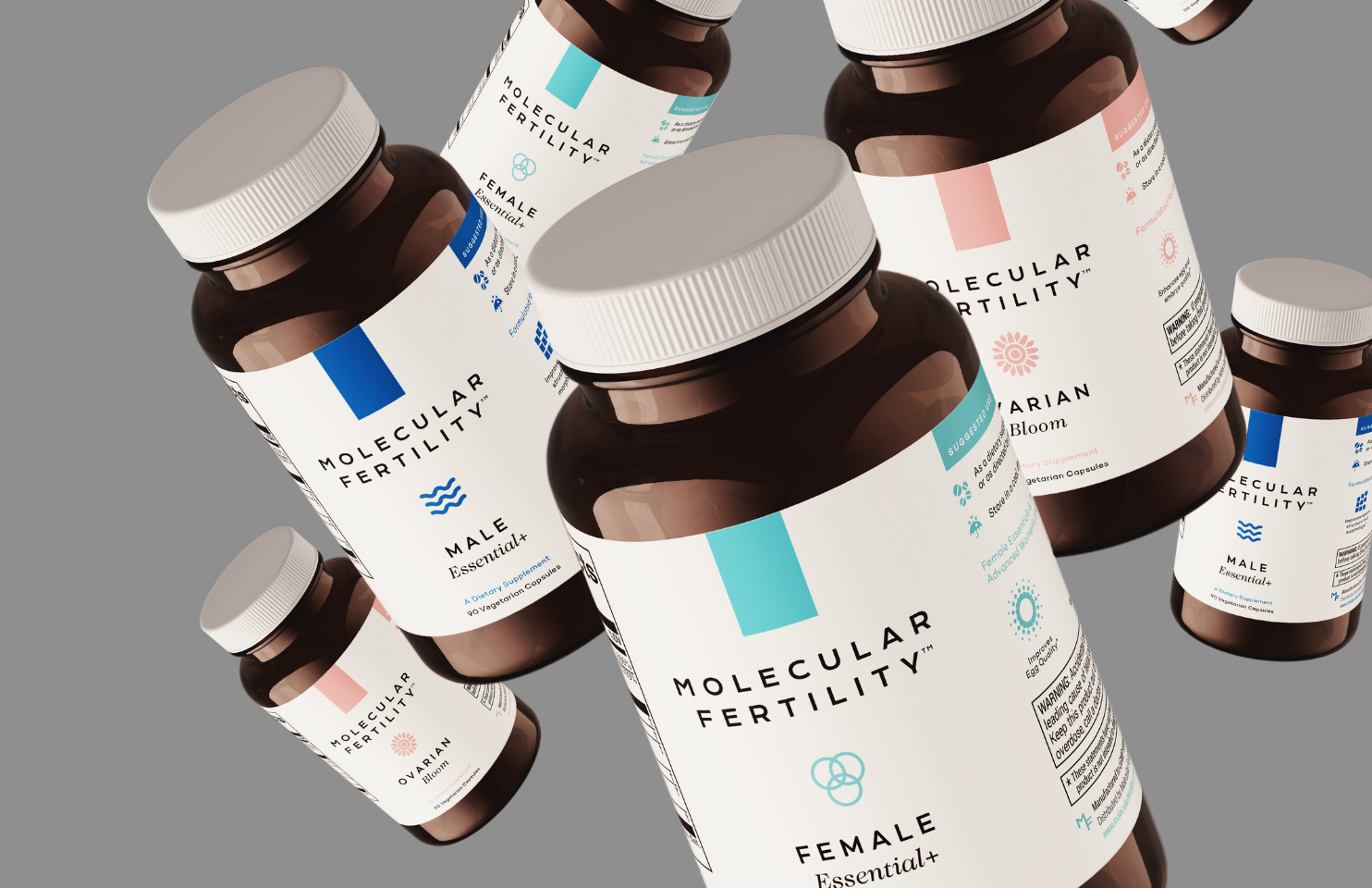
To provide a simplified, high-quality option, our team developed a line of supplements called Molecular Fertility.
In general, we recommend females take:
- Peak Prenatal
- VivoMega Fish Oil
- Ovarian Bloom
- Immunoglobulin IgG
For males, we recommend:
- Male Preconception+
- VivoMega Fish Oil
- CoQ10 VESIsorb®
Best Fertility Supplements for Women
Peak Prenatal™
Peak Prenatal provides foundational prenatal nutrients for preconception, pregnancy, and lactation.
Ovarian Bloom™
Ovarian Bloom is formulated for preconception and ovulatory support and includes:
- CoQ10
- Vitamin D
- Inositol
- PQQ
- ALA
- Ovarian Glandulars
- VivoMega Fish Oil
Best Male Fertility Supplements
Male Preconception
Formulated to support sperm health foundations and includes:
- Vitamin A, C, D, and E
- Zinc
- Selenium
- Lycopene
- Folate
- Vitamin B12
- Acetyl-L-Carnitine
- L-Carnitine-L-Tartrate
Male Preconception+
Male Preconception+ adds additional ingredients such as:
- CoQ10
- Ashwagandha
- Shilajit
- Inositol
- Arginine
- NAC
- D-Aspartic Acid
- ALA
- PQQ
- Pomegranate fruit extract
- Green Tea Leaf Extract
- Chlorella
- Spirulina
- Garlic
- VivoMega Fish Oil
Fertility Supplements: The Bottom Line
Fertility is influenced by lifestyle factors, underlying medical conditions, age, and nutrient status.
Research suggests micronutrient deficiencies may affect fertility and that targeted supplementation may support reproductive outcomes in some populations.
At CNY Fertility, our reproductive endocrinologists and fertility specialists recommend chosing the highest-quality fertility supplements available to support sperm and egg health and the health of mom and baby during pregnancy.
FAQ: Fertility Supplements
Do fertility supplements actually work?
Some supplements have evidence for improving intermediate fertility markers (like sperm motility or ovarian response), and in certain populations, some studies show pregnancy or live birth improvements. Results vary based on baseline nutrient status, diagnosis, and age.
What are the best male fertility supplements?
CoQ10, omega-3s, carnitines, vitamin D (when deficient), and select antioxidants or herbs like ashwagandha have some evidence supporting sperm parameters.
What are the best fertility supplements for women?
A prenatal with folate is foundational. CoQ10 is commonly used for egg mitochondrial support. Vitamin D and omega-3s may be beneficial, and inositol is especially supported for PCOS and ovulation.
How long should you take fertility supplements before trying to conceive?
Many clinicians recommend at least 90 days, especially for sperm support, because sperm maturation takes about 2–3 months.
Can fertility supplements interfere with medications?
Yes. Supplements can interact with prescription medications and may not be appropriate for people with certain medical conditions. If you take medications or have chronic medical issues, consult your clinician before starting a supplement regimen.